Alnoor Dental Clinic
What Is a Root Canal?
At Alnoor Medical Center, a root canal is explained as a treatment used to clean and disinfect the inside of a tooth when the nerve or pulp is inflamed or infected. The goal is to remove bacteria, reduce pain, preserve the tooth, and restore safe function. During treatment, the dentist works with careful access, canal cleaning, infection control, precise shaping, and final sealing. A crown or restoration may be recommended afterward to protect the tooth from fracture. If you have deep pain or sensitivity, consult an endodontist in Ras Al Khaimah.
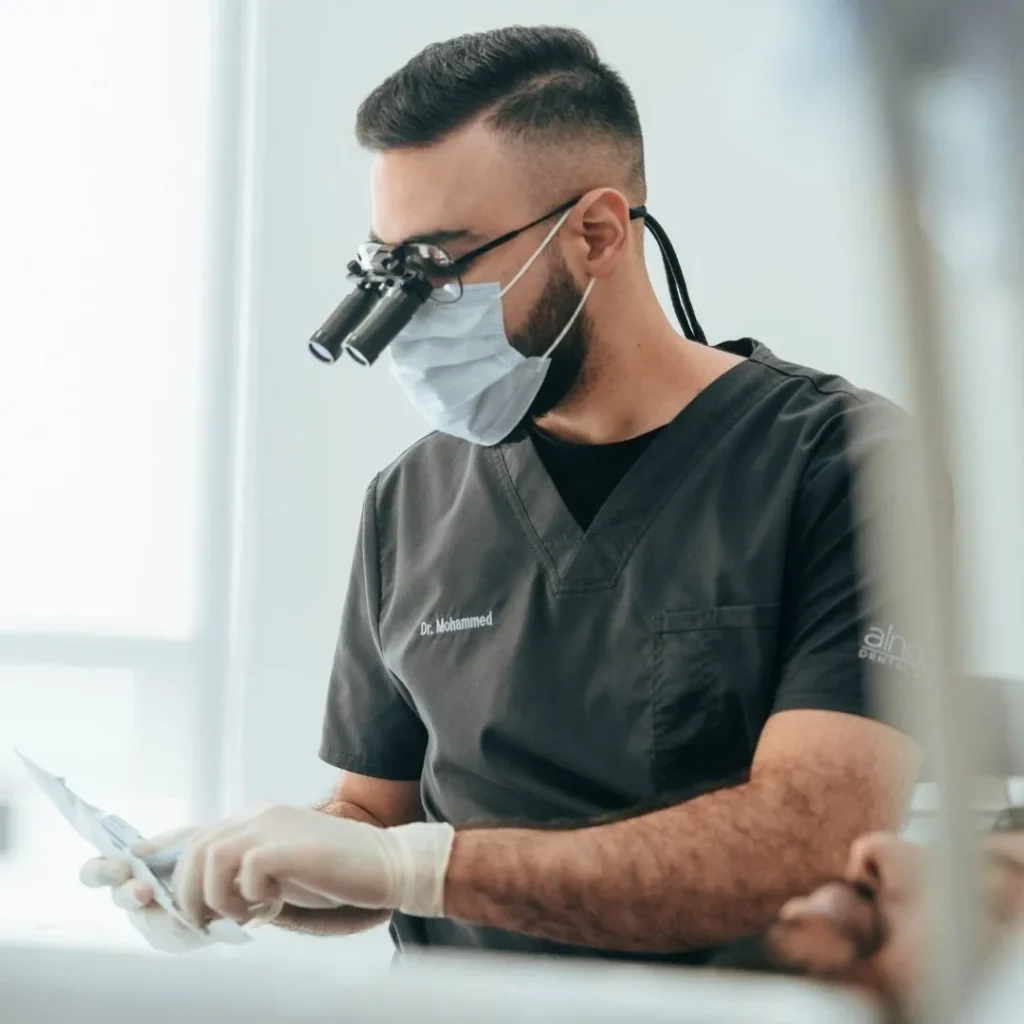

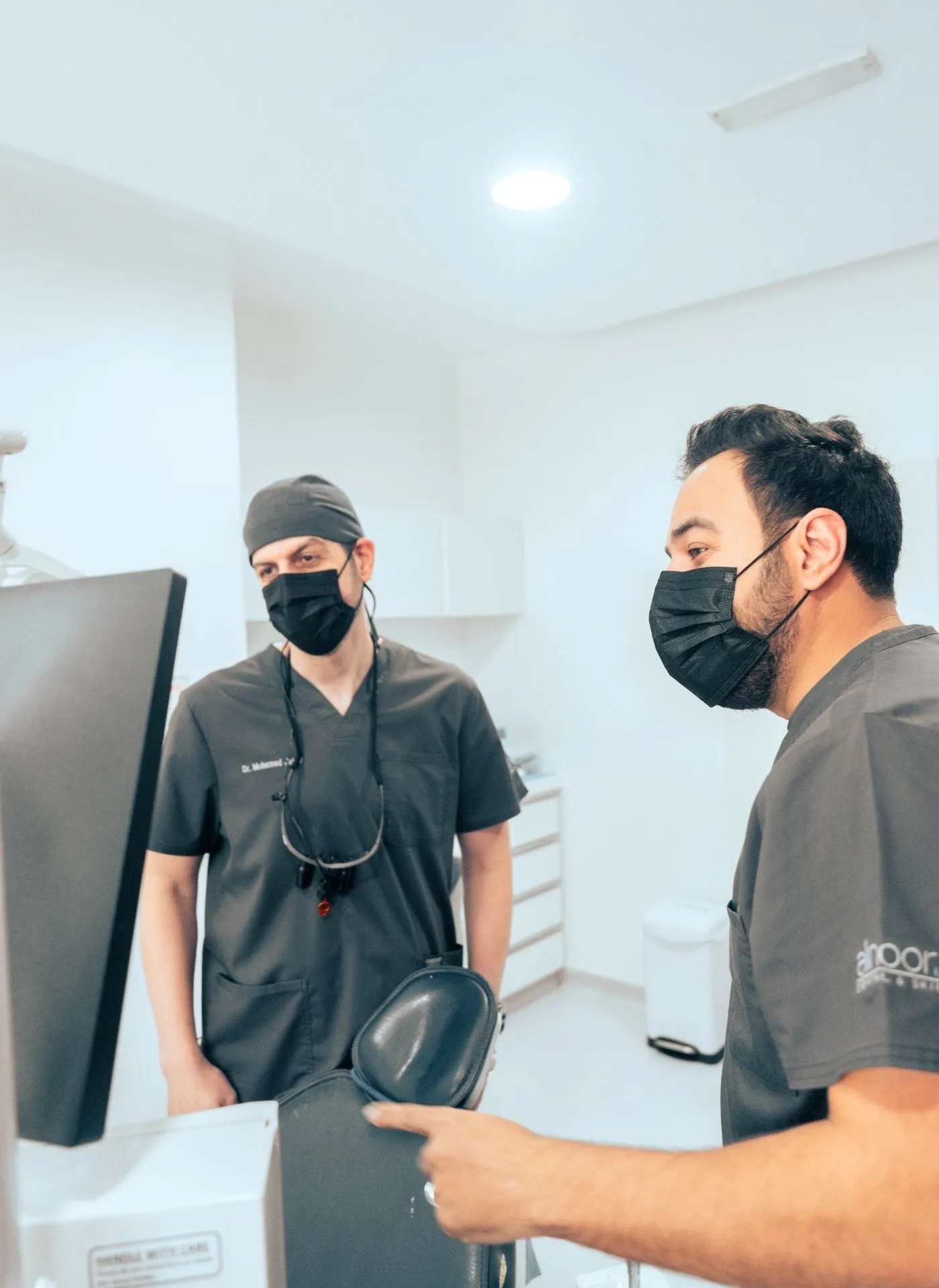
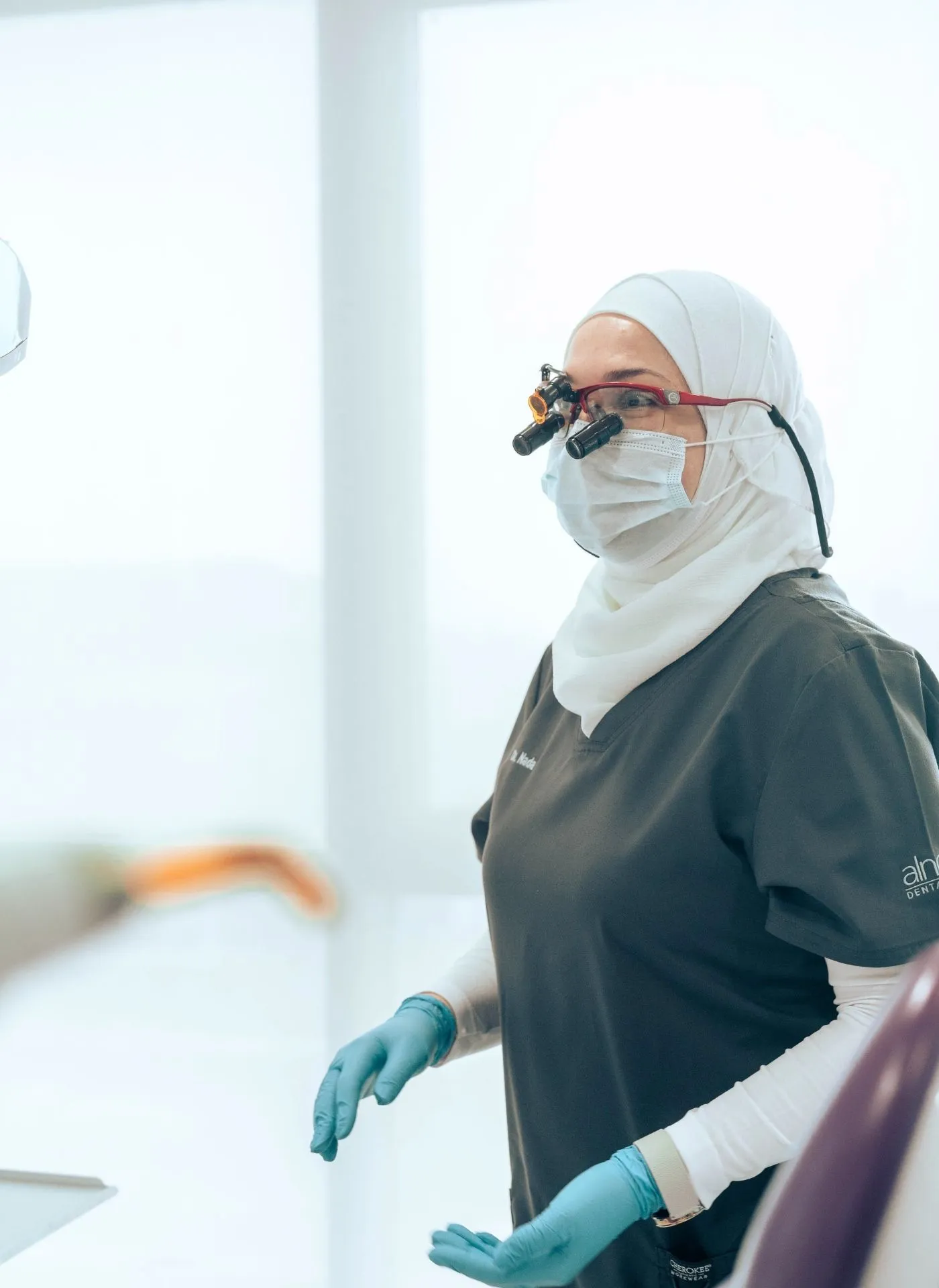
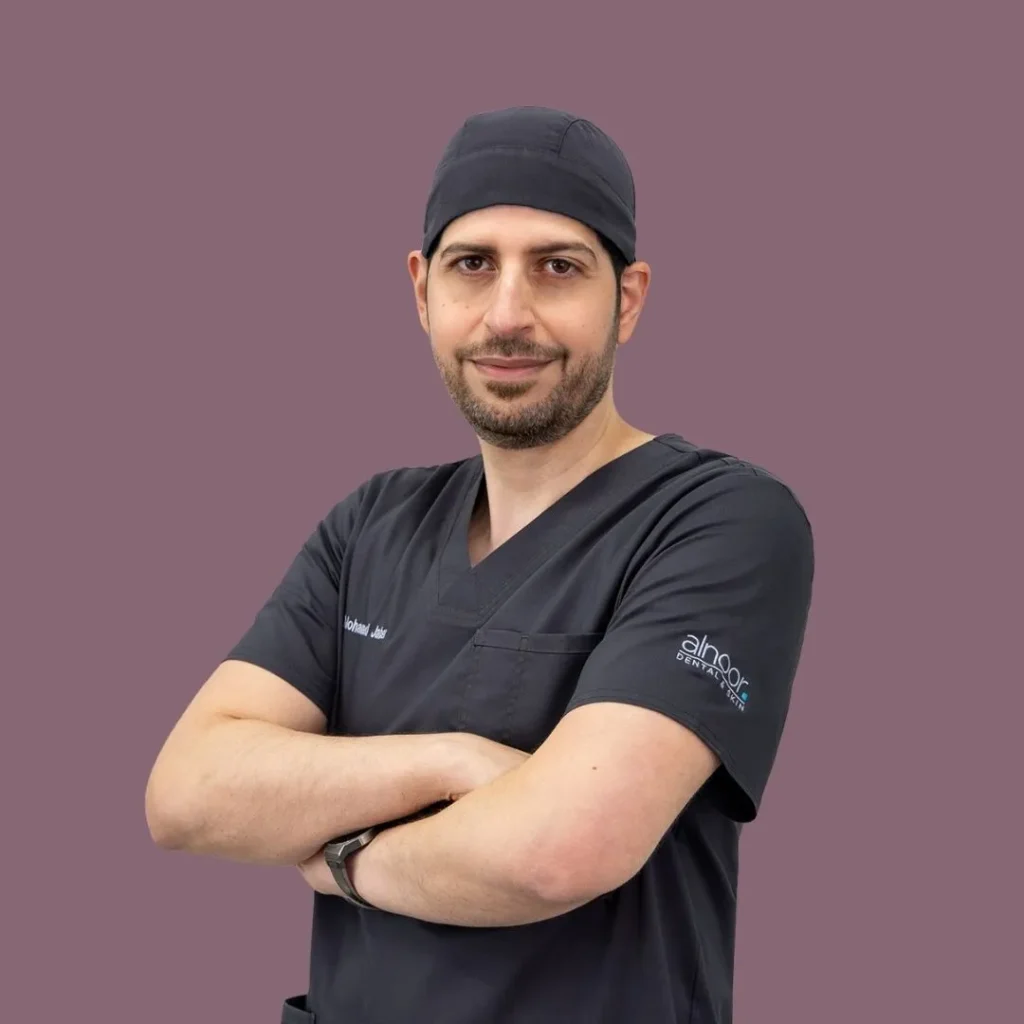
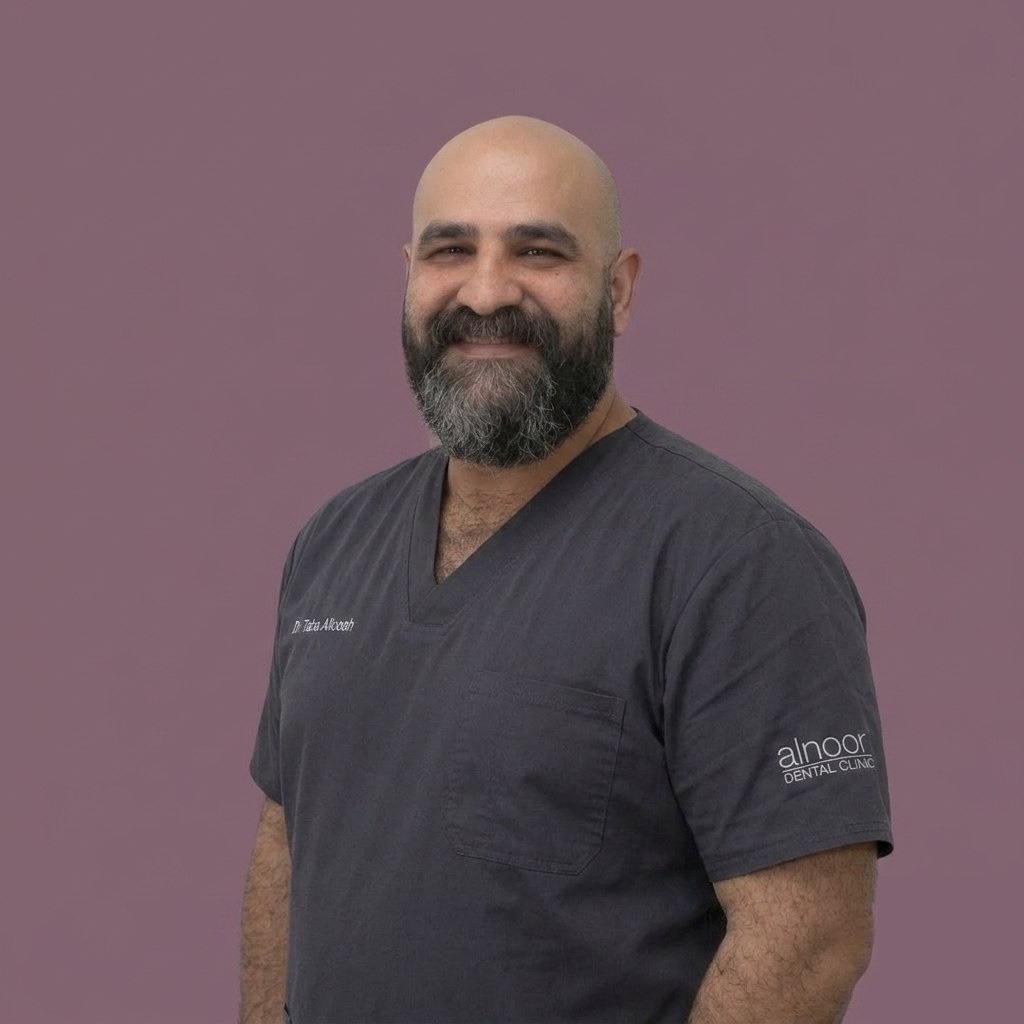
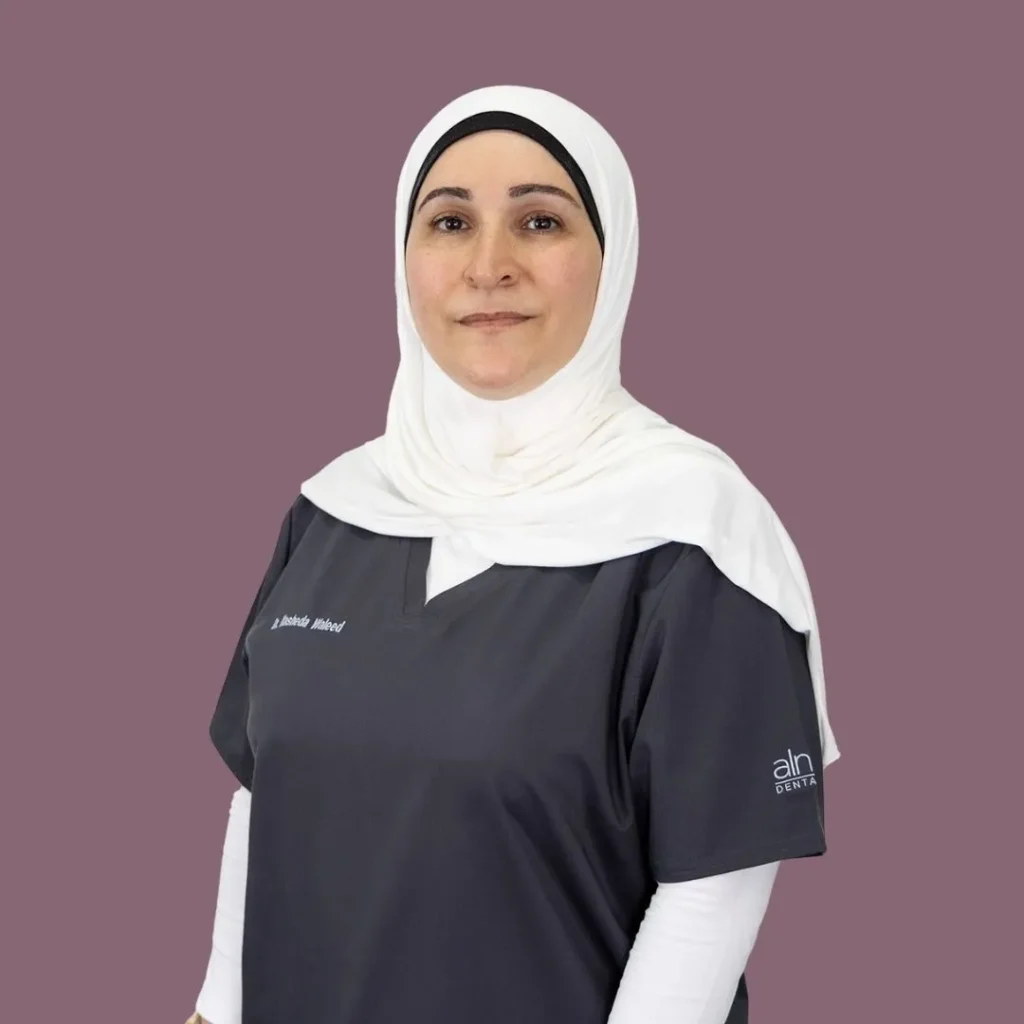
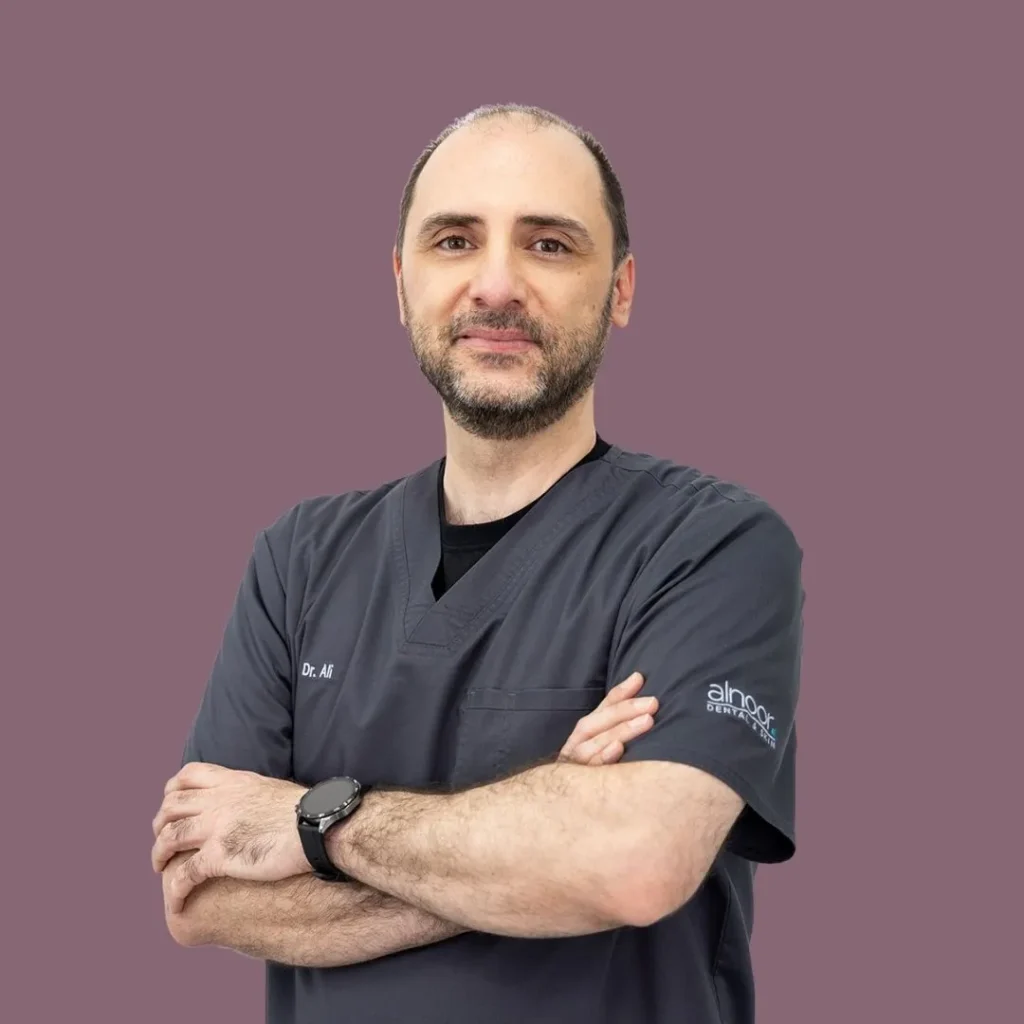
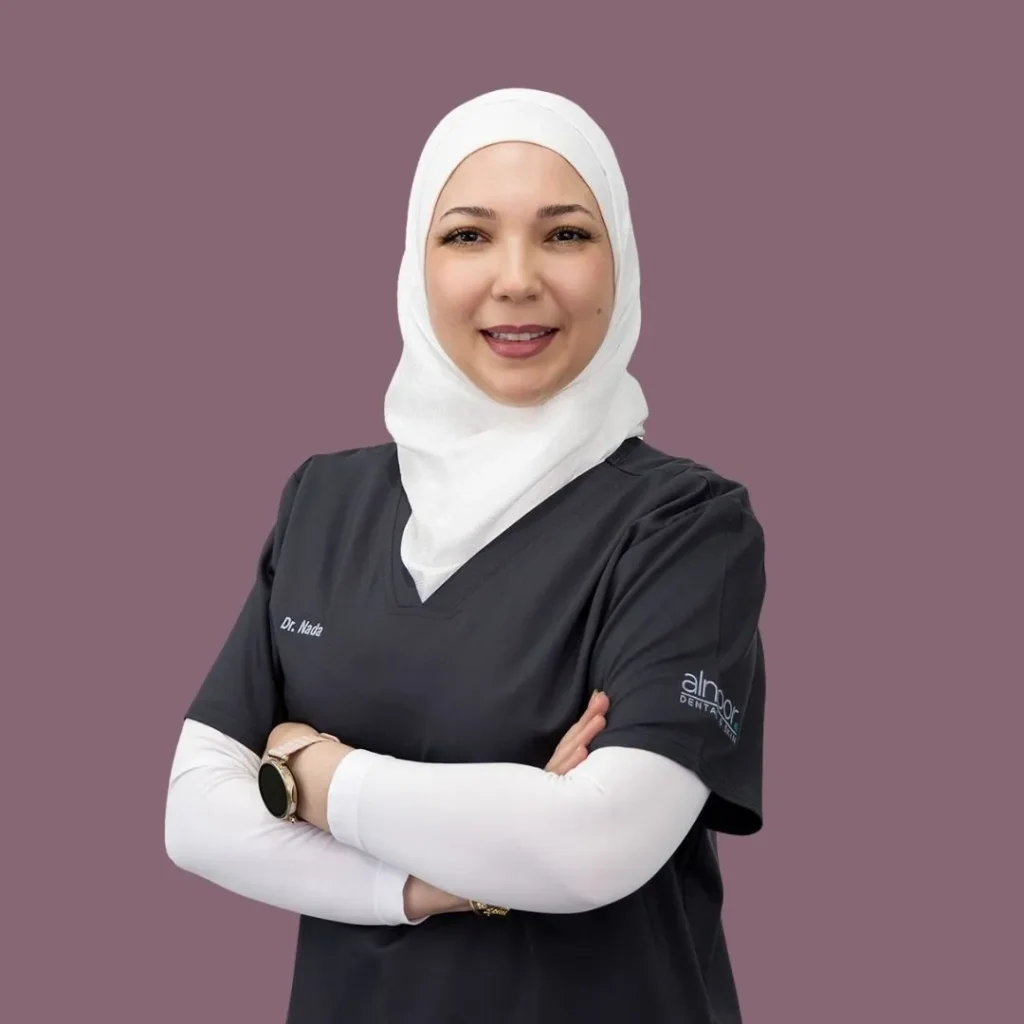
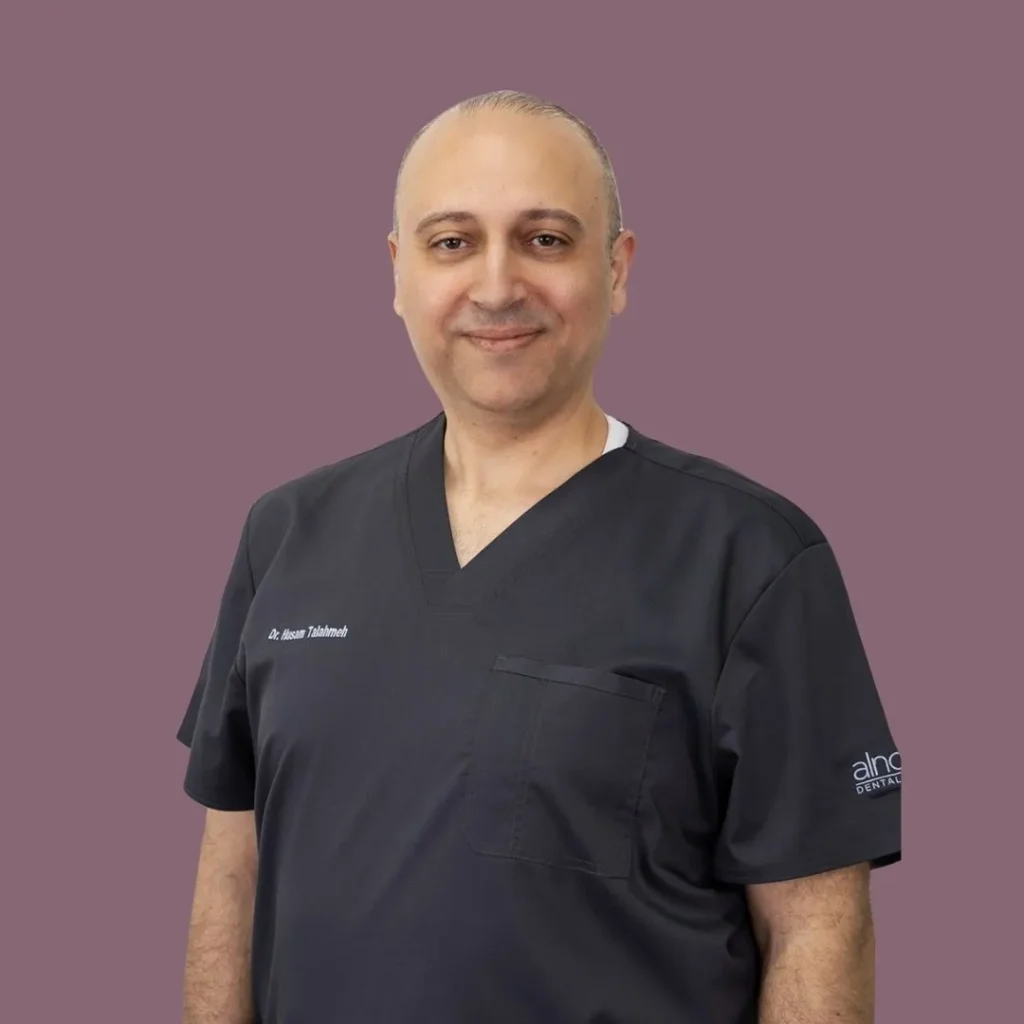
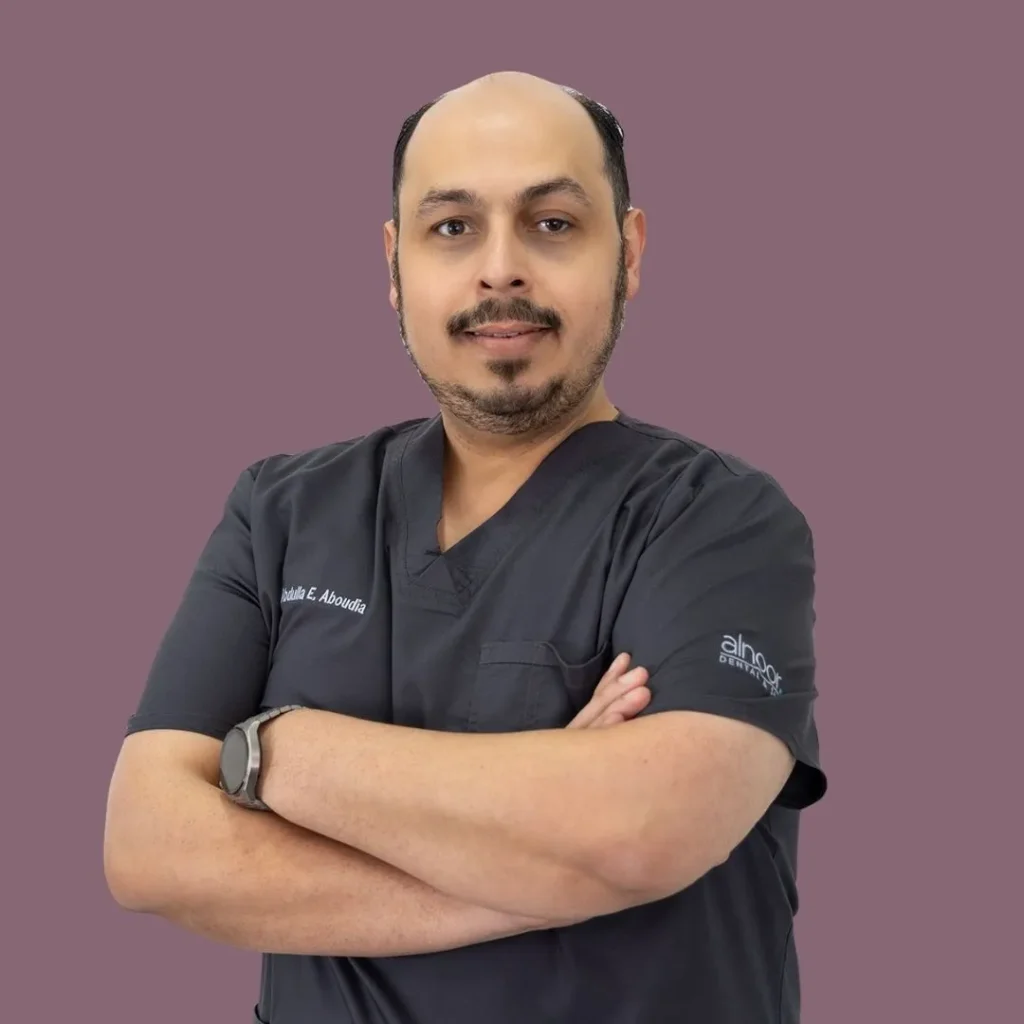
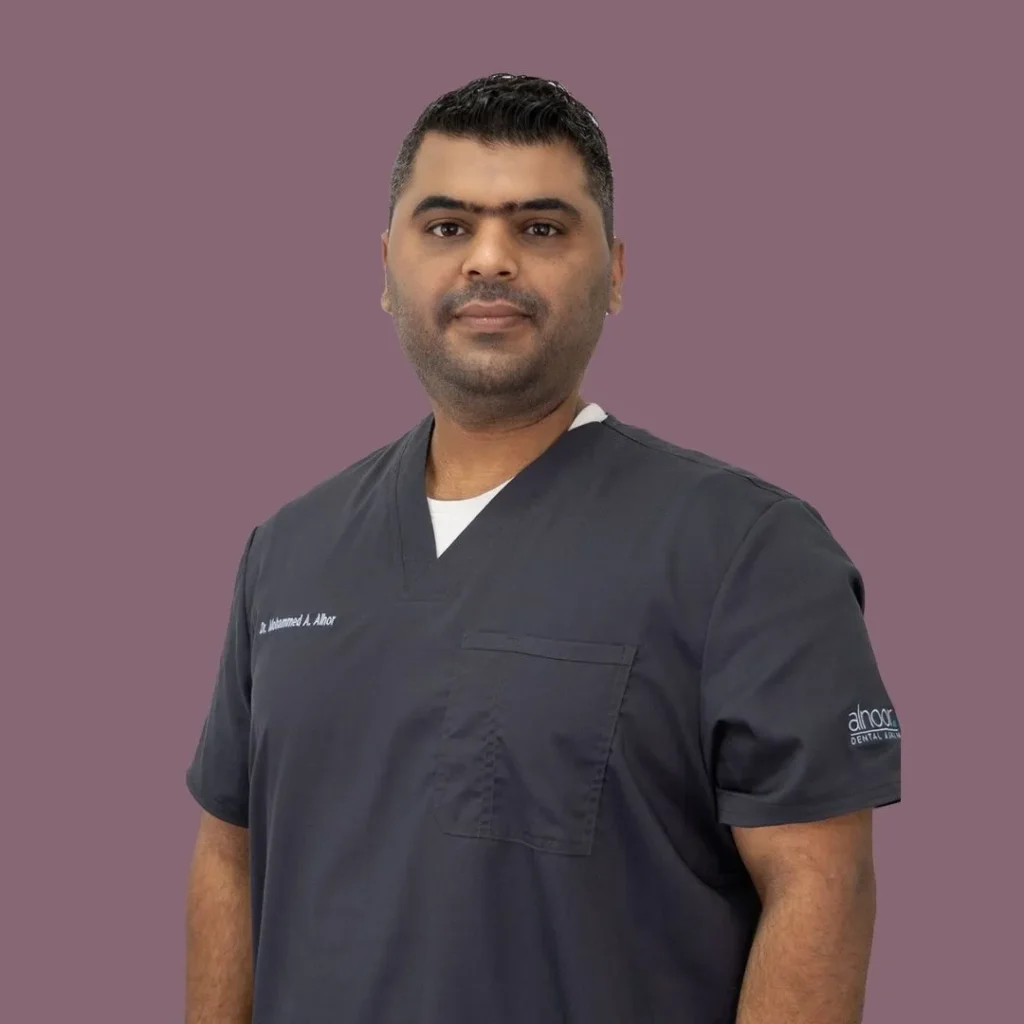
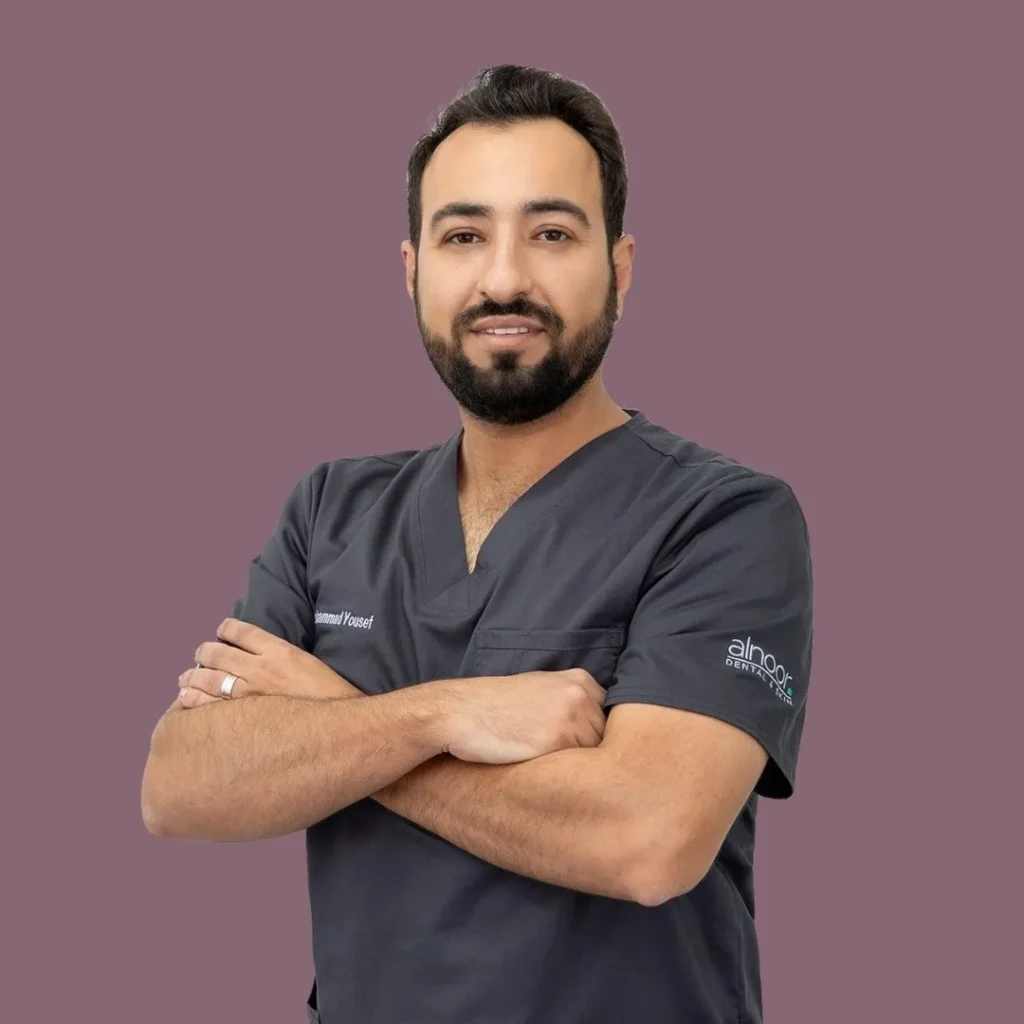
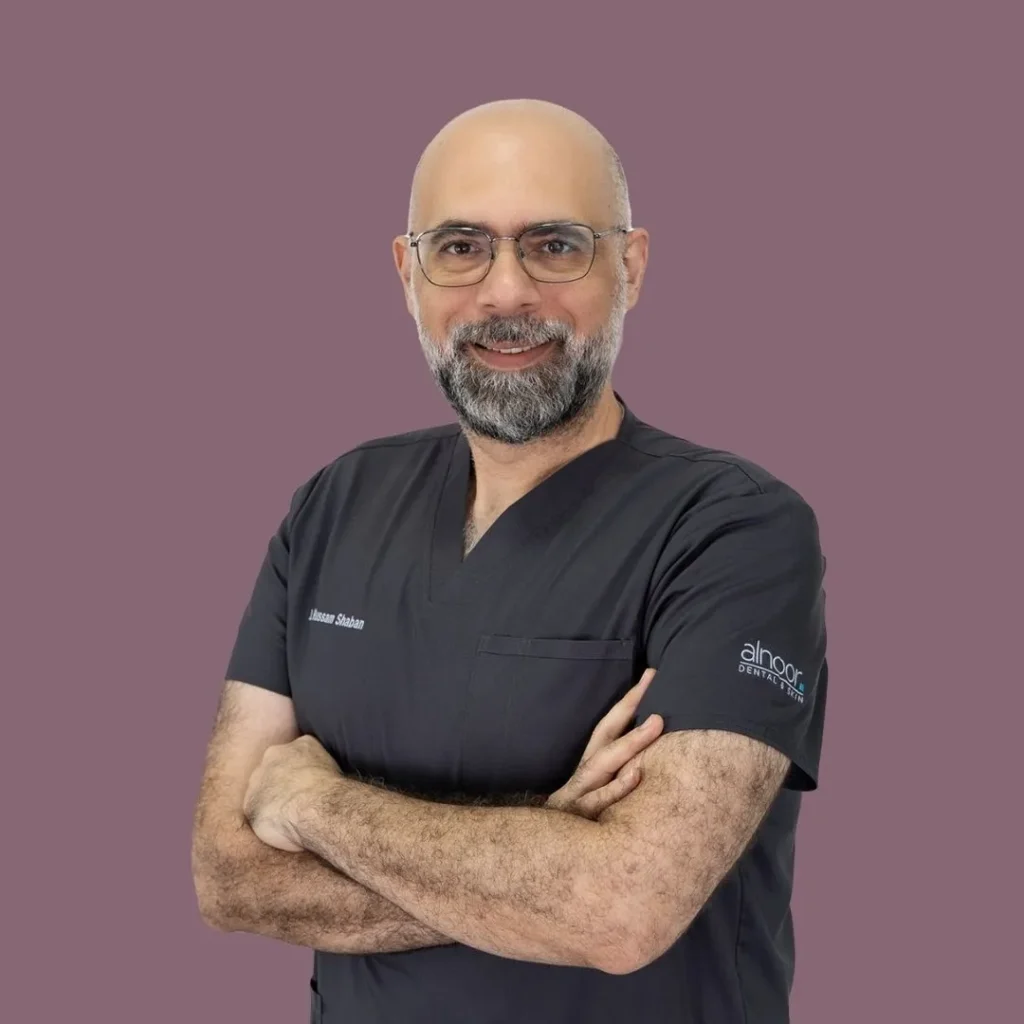
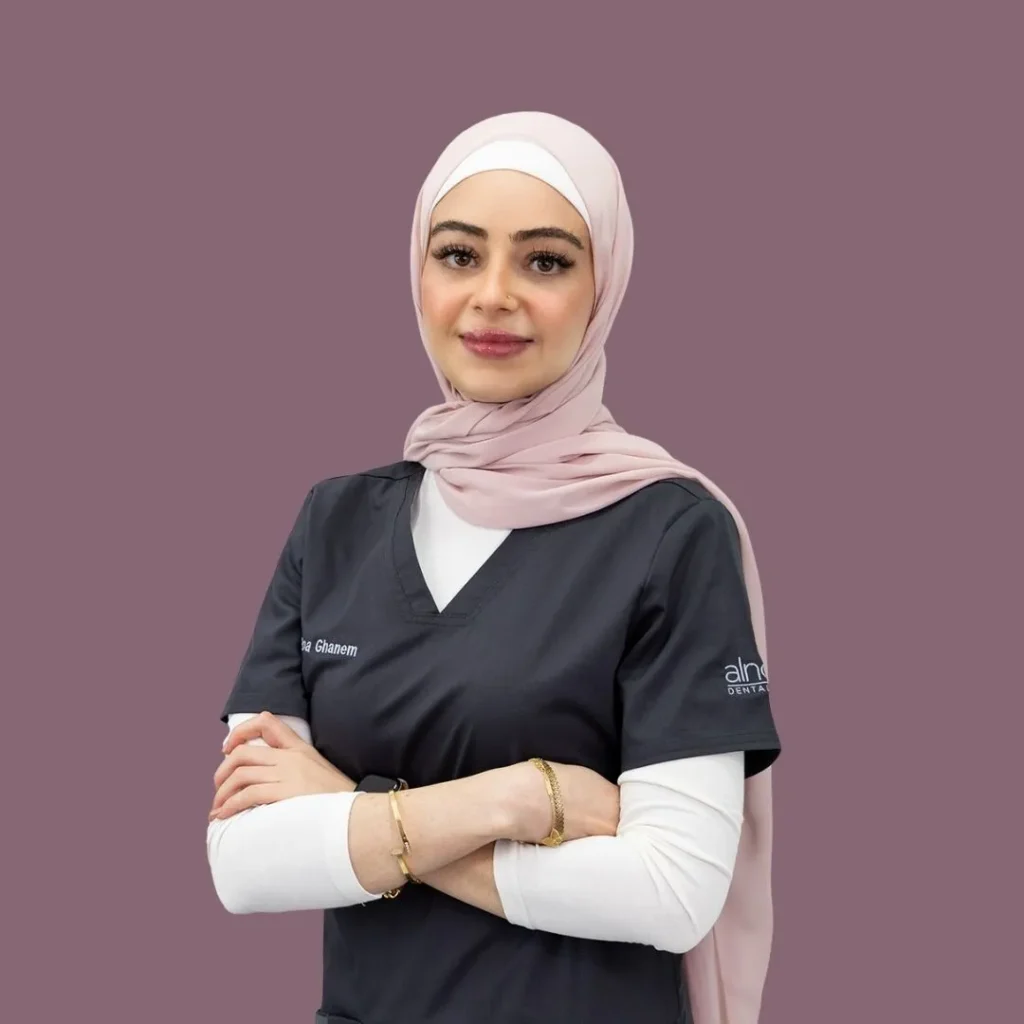
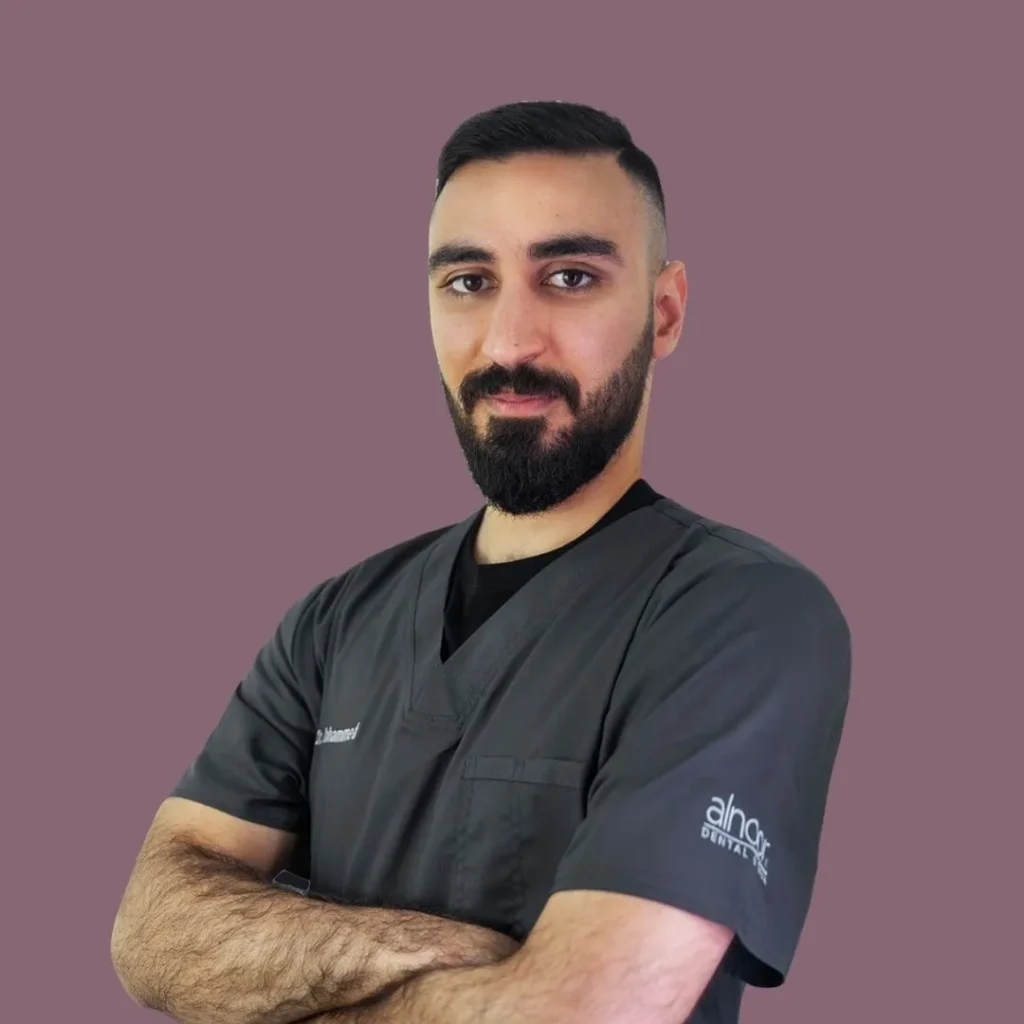
Many dental experts work together to plan safer, more complete treatments.

15 years of trusted dental care in Ras Al Khaimah.

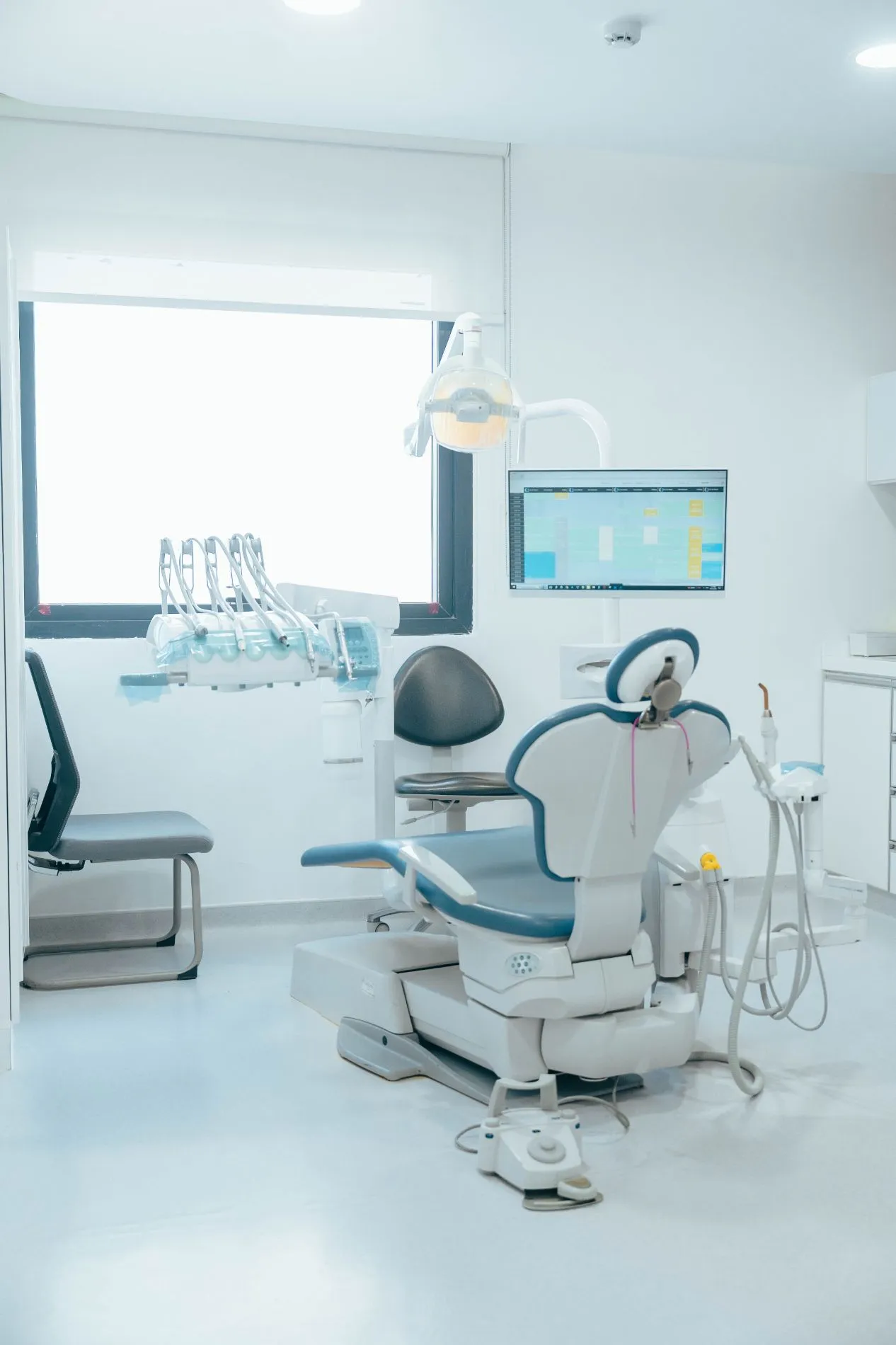
Digital diagnostics, 3D imaging, lasers, AirFlow, microscope, and ATP38 support precision and comfort.
Every patient has different needs, and our aim is to offer you personalised care.
If you’d like to speak to us, book an initial consultation or simply receive further information, please don’t hesitate to get in touch. We’d be delighted to listen to you and guide you along the path that’s best for you.
What Causes the Need for a Root Canal?
A root canal may be needed when bacteria reach the inner part of the tooth and cause inflammation or infection. Common causes include deep tooth decay, cracked teeth, dental trauma, large fillings, and repeated procedures on the same tooth. Symptoms may include severe toothache, sensitivity to hot or cold, pain when biting, swelling, gum tenderness, or darkening of the tooth. Sometimes infection develops without strong symptoms, which is why X-rays and regular checkups are important. A careful diagnosis helps decide whether root canal treatment is the safest option with an endodontist in Ras Al Khaimah.
How Is a Root Canal Done?
A root canal is performed with local anesthesia to make treatment as comfortable as possible. The dentist creates a small opening in the tooth, removes the infected or inflamed pulp, cleans and shapes the canals, disinfects the area, and seals the space to reduce the risk of reinfection. The process may include digital radiographs, microscope support, accurate measurements, gentle cleaning, and secure filling. Depending on the tooth condition, a final restoration or crown may be needed afterward. For safe, tooth-preserving treatment, book your appointment with an endodontist in Ras Al Khaimah.
How Is Infection Treated During a Root Canal?
During a root canal, infection is treated by carefully removing bacteria, inflamed tissue, and debris from inside the tooth canals. The dentist uses clinical evaluation, canal disinfection, precise instruments, irrigation techniques, and sealed restoration to reduce infection and protect the tooth. In some cases, medication may be placed inside the tooth between appointments, especially when infection is more complex. If swelling, abscess, or bone changes are present, follow-up care is important to monitor healing. The safest approach depends on your diagnosis and symptoms. For infected tooth care, visit an endodontist in Ras Al Khaimah.
How Long Does It Take for a Root Canal to Heal?
Healing after a root canal varies depending on the severity of infection, the condition of the tooth, and your general oral health. Mild tenderness after treatment can be normal, especially when there was inflammation before the appointment. Most patients improve gradually with proper restoration, gentle chewing, good hygiene, follow-up checks, and professional advice. If pain increases, swelling appears, or biting remains uncomfortable, the tooth should be reviewed. Complete bone healing after infection may take longer and is monitored with X-rays when needed. For guided recovery, speak with an endodontist in Ras Al Khaimah.
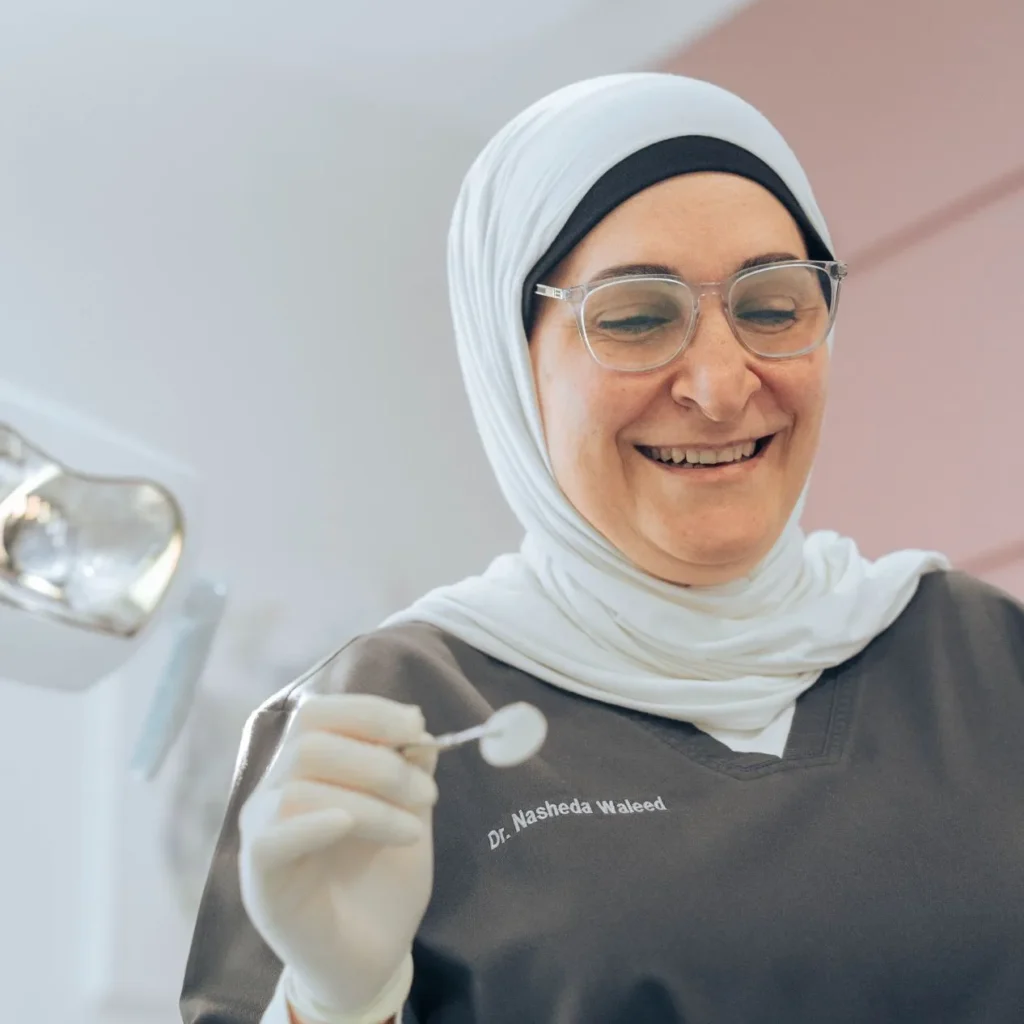

Every patient deserves time, attention, and clear answers before starting treatment.
If you have questions, would like to book an initial consultation, or need guidance about your dental care, contact us today. Our team will welcome your request with care and help you take the next step with confidence.
How Much Is a Root Canal?
The cost of a root canal depends on the tooth involved, number of canals, infection severity, retreatment needs, restoration type, and whether advanced support such as microscope use is required. A molar usually needs more time than a front tooth because it has more canals. At your visit, the dentist will provide clear diagnosis, treatment explanation, cost transparency, restoration planning, and safe recommendations before treatment begins. The goal is to preserve the tooth whenever this is clinically possible and appropriate. For a personalized estimate, book a consultation with an endodontist in Ras Al Khaimah.
How to Avoid Root Canal
The best way to avoid a root canal is to protect teeth before decay or cracks reach the inner nerve. Regular checkups, professional hygiene, early fillings, fluoride when recommended, and good home care can help reduce risk. Patients should also manage tooth decay, gum inflammation, grinding habits, cracked restorations, and untreated sensitivity before they become more serious. Wearing a nightguard may be useful for patients who clench or grind their teeth. Prevention is always safer than delaying treatment until pain appears. For preventive guidance, schedule a visit with an endodontist in Ras Al Khaimah.











How to Stop Throbbing Pain After Root Canal
Some tenderness after a root canal may be normal, but strong throbbing pain should be reviewed, especially if it worsens or comes with swelling. The dentist may check the bite, healing response, restoration, and signs of persistent infection. Safe care may involve bite adjustment, medication guidance, clinical review, follow-up imaging, and restoration protection. Avoid chewing hard foods on the treated tooth until the dentist confirms it is ready for normal function. Do not ignore severe pain or swelling after treatment. For safe post-treatment support, contact an endodontist in Ras Al Khaimah.
How to Treat Infection in Tooth
A tooth infection should always be assessed professionally because the safest treatment depends on its cause, location, and severity. Options may include root canal treatment, retreatment, drainage, medication, apicectomy, or extraction when the tooth cannot be saved safely. The dentist will evaluate pain symptoms, gum swelling, X-ray findings, tooth structure, and overall health before recommending care. Antibiotics alone may not solve the source of infection if bacteria remain inside the tooth. Early treatment helps reduce complications and protect oral health. If you suspect infection, book an appointment with an endodontist in Ras Al Khaimah.
From central Ras Al Khaimah
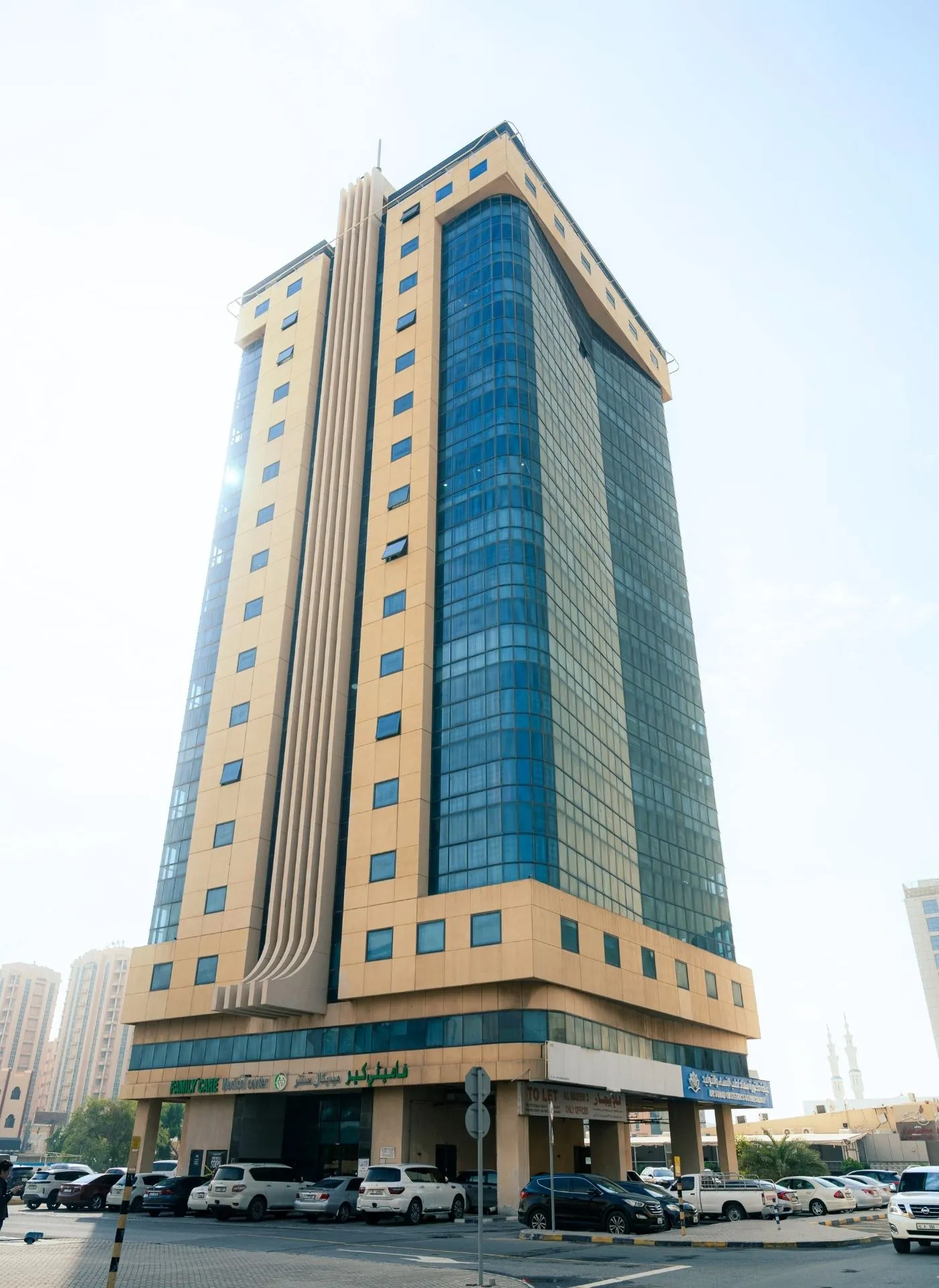
From central Ras Al Khaimah, follow the signs toward Al Nakheel and Al Naeem Mall, then continue onto Etisalat Street until you reach Al Naeem Tower 3.
From the southern side
From the southern side of Ras Al Khaimah, drive toward the city centre, follow directions for Al Naeem Mall, and turn onto Etisalat Street to reach the practice.
Where to parking
Parking is available next to the clinic, including access for disabled patients. Once parked, enter Al Naeem Tower 3 and take the lift to the 8th floor. We recommend arriving a few minutes early, especially for first visits, to allow time for parking, reception, and check-in.
- From Al Nakheel: Follow Etisalat Street directly toward Al Naeem Tower 3.
- From Al Qurm: Take Al Qurm Road toward Al Nakheel, then continue to Etisalat Street.
- From Khuzam: Follow Khuzam Road toward central Ras Al Khaimah, then continue toward Al Naeem Mall and Etisalat Street.
- From Al Dhait: Take Sheikh Mohammed Bin Salem Road toward Ras Al Khaimah city centre, then follow signs for Al Naeem Mall.
- From Al Rams: Follow Al Rams Road toward Ras Al Khaimah city centre, then continue toward Al Nakheel and Etisalat Street.
Root Canal in Ras Al Khaimah
At Alnoor Medical Center, our method for root canal treatment begins with accurate diagnosis, patient listening, digital radiographs, microscope-assisted care, and clear treatment planning. We first identify the cause of pain or infection, then explain whether root canal treatment, retreatment, endodontic surgery, or another option is most suitable. During the procedure, we focus on cleaning, disinfecting, sealing, and restoring the tooth safely. Follow-up is recommended when infection was present or when symptoms need monitoring. To relieve pain and preserve your natural tooth, contact Alnoor Medical Center and book an endodontist in Ras Al Khaimah.
Root Canal Retreatment and Endodontic Surgery
Alnoor Medical Center also supports complex cases with root canal retreatment, apicectomy assessment, microscope support, infection management, and careful follow-up. Retreatment may be recommended if a previously treated tooth develops new symptoms, persistent infection, or incomplete healing. In selected cases, endodontic surgery may be considered when conventional treatment cannot fully resolve the problem. The dental team will always explain the safest available options and advise whether saving the tooth is realistic. When preservation is possible, treatment aims to maintain comfort, function, and oral health. For advanced care, book with an endodontist in Ras Al Khaimah.
What is Apicectomy?
At Alnoor Medical Center, an apicectomy is planned with accurate diagnosis, microscope support, surgical precision, infection control, and careful follow-up. This procedure may be recommended when infection persists around the tip of a tooth root after previous root canal treatment, and when saving the tooth is still considered a safe option. During an apicectomy, the dentist accesses the root tip, removes infected tissue, and seals the area to support healing. It is not suitable for every case, so a detailed assessment is essential. Book your consultation with an endodontist in Ras Al Khaimah.
Advanced Root Canal Treatment and Retreatment
Advanced root canal treatment and retreatment are designed to manage more complex cases where pain, infection, or previous treatment problems need careful attention. At Alnoor Medical Center, our approach includes digital radiographs, canal evaluation, infection management, precise cleaning, and restoration planning. Retreatment may be recommended if a tooth treated in the past develops symptoms, shows signs of reinfection, or has canals that need to be cleaned again. The goal is always to preserve the natural tooth when this is safe and realistic. For complex tooth pain, visit an endodontist in Ras Al Khaimah.
Operating microscope
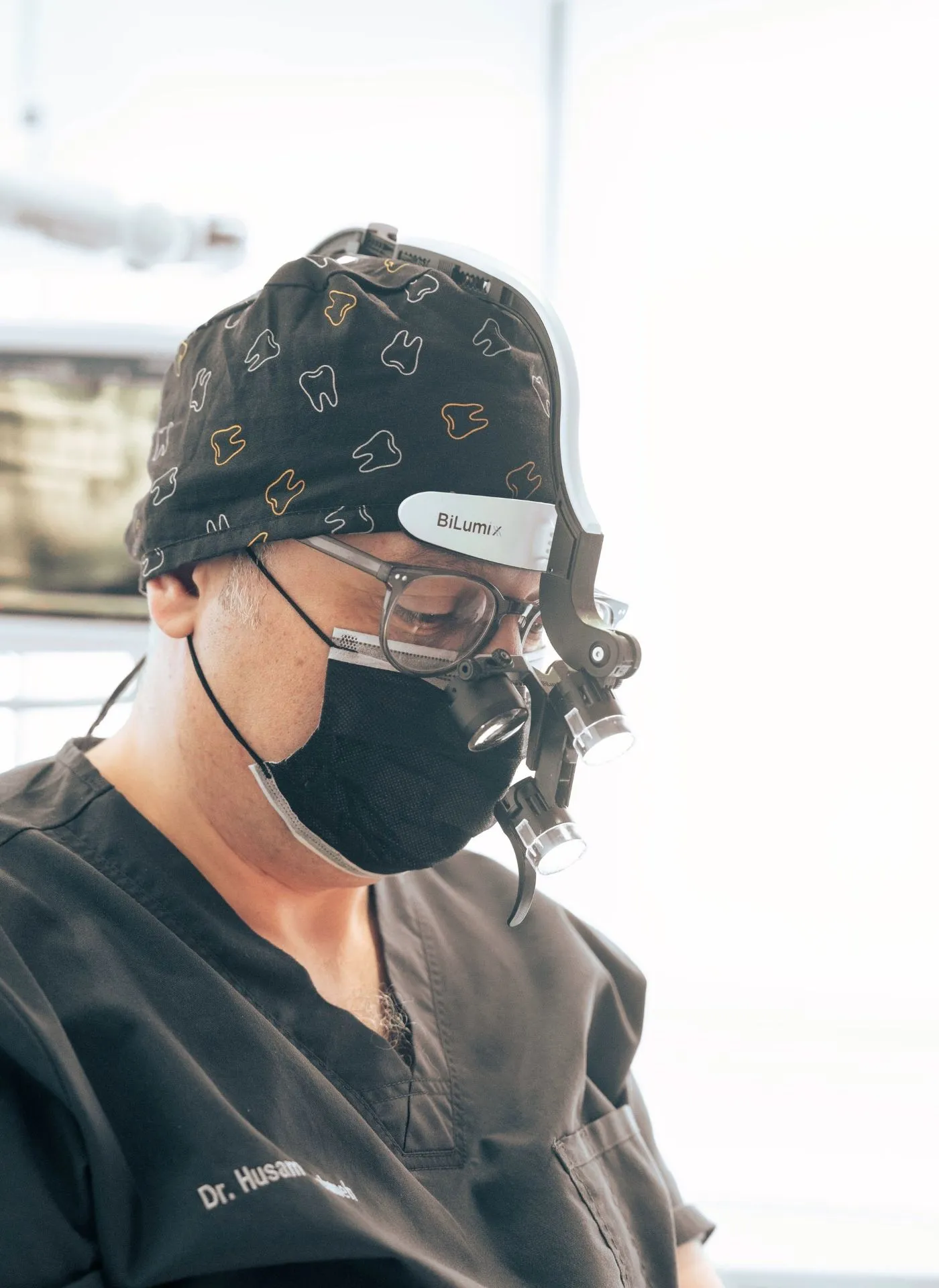
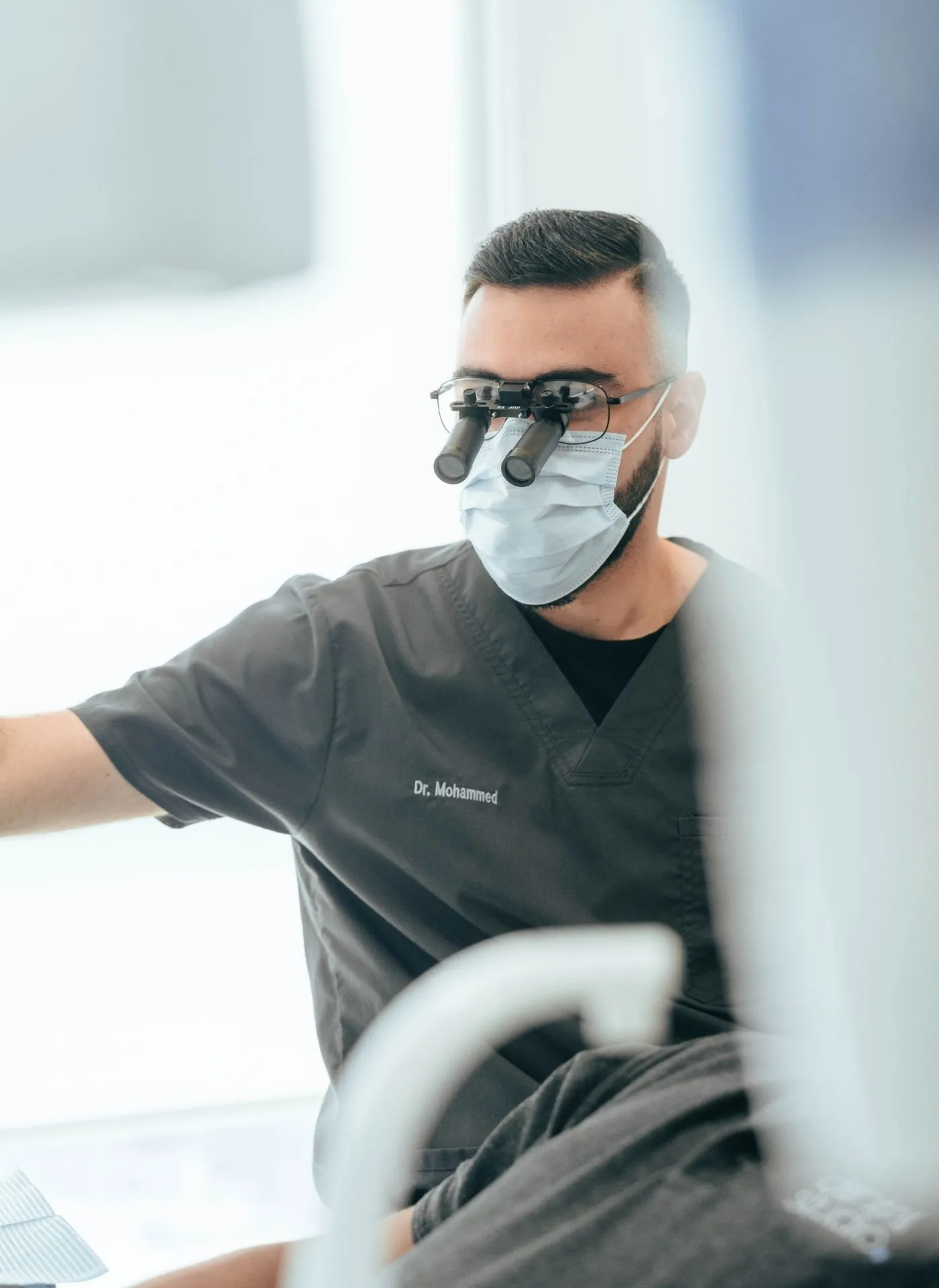
The operating microscope can support endodontic treatment by helping the dentist see small details inside the tooth more clearly. At Alnoor Medical Center, microscope-assisted care is used when appropriate for canal detection, fine anatomy, fracture assessment, retreatment cases, and surgical precision. This technology can be especially useful when canals are narrow, curved, hidden, previously treated, or difficult to access. Better visibility helps guide safer and more accurate treatment planning. The microscope is always combined with clinical judgment, X-rays, and careful technique. To learn whether microscope support is suitable, consult an endodontist in Ras Al Khaimah.
What is Endodontic Surgery?
Endodontic surgery may be considered when conventional root canal treatment or retreatment cannot fully resolve infection or symptoms. At Alnoor Medical Center, this type of care is approached with case evaluation, advanced imaging, microscope support, surgical planning, and healing monitoring. Procedures may include apicectomy or surgical management of infection around the root tip, depending on the diagnosis. The dentist will explain whether surgery is necessary, what alternatives exist, and what outcome can reasonably be expected. Whenever possible, treatment aims to save the natural tooth safely. Book a consultation with an endodontist in Ras Al Khaimah.