Alnoor Dental Clinic
What Is TMJ?
At Alnoor Medical Center, we explain TMJ in a simple way: the temporomandibular joint connects the jawbone to the skull and helps you open, close, chew, speak, and move your jaw. When this joint, the surrounding muscles, or the bite are under stress, patients may develop jaw discomfort, clicking sounds, limited movement, muscle tension, and facial pain. TMJ disorder can be temporary or persistent, depending on its cause and severity. A dental evaluation helps identify whether the problem is related to clenching, grinding, joint strain, or bite imbalance. Learn more about tmj disorder in Ras Al Khaimah.

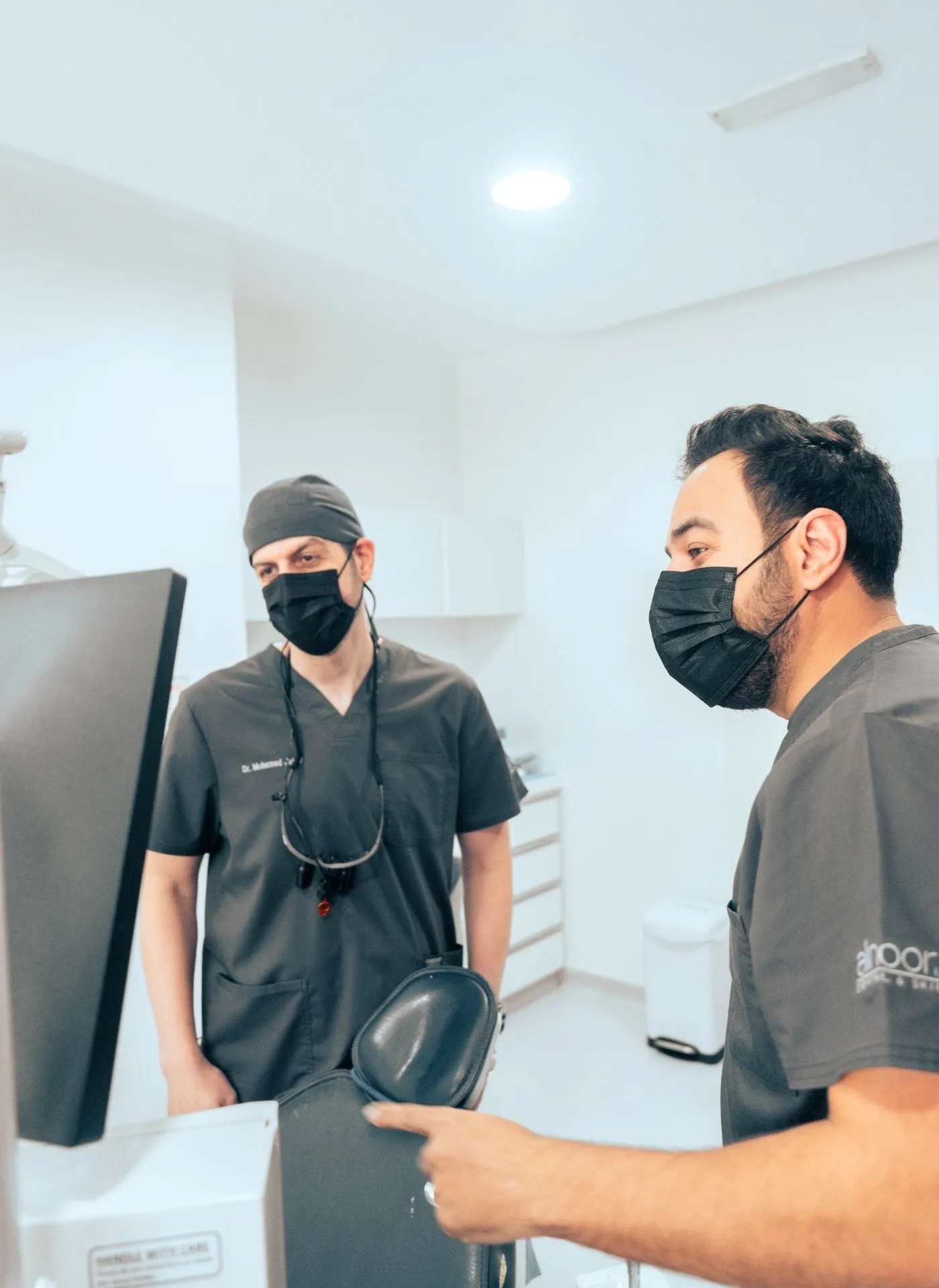
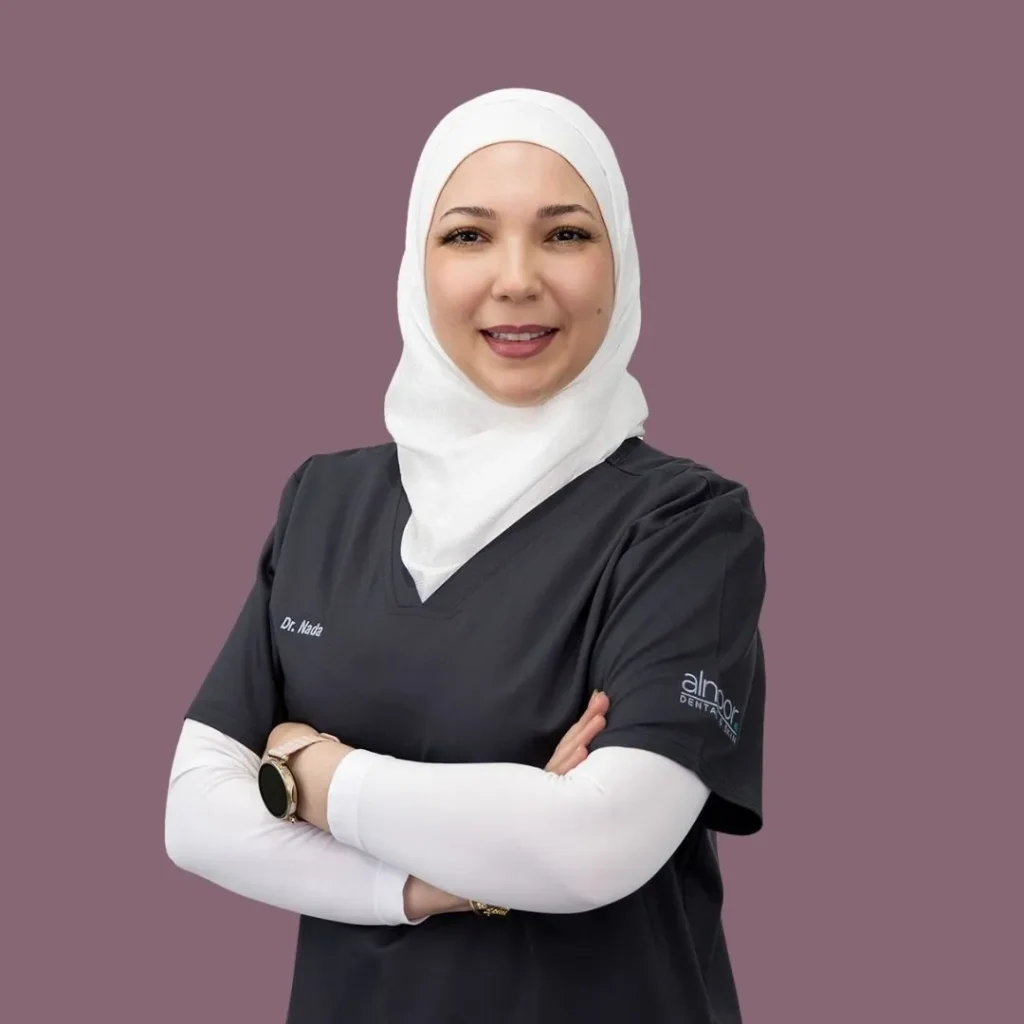
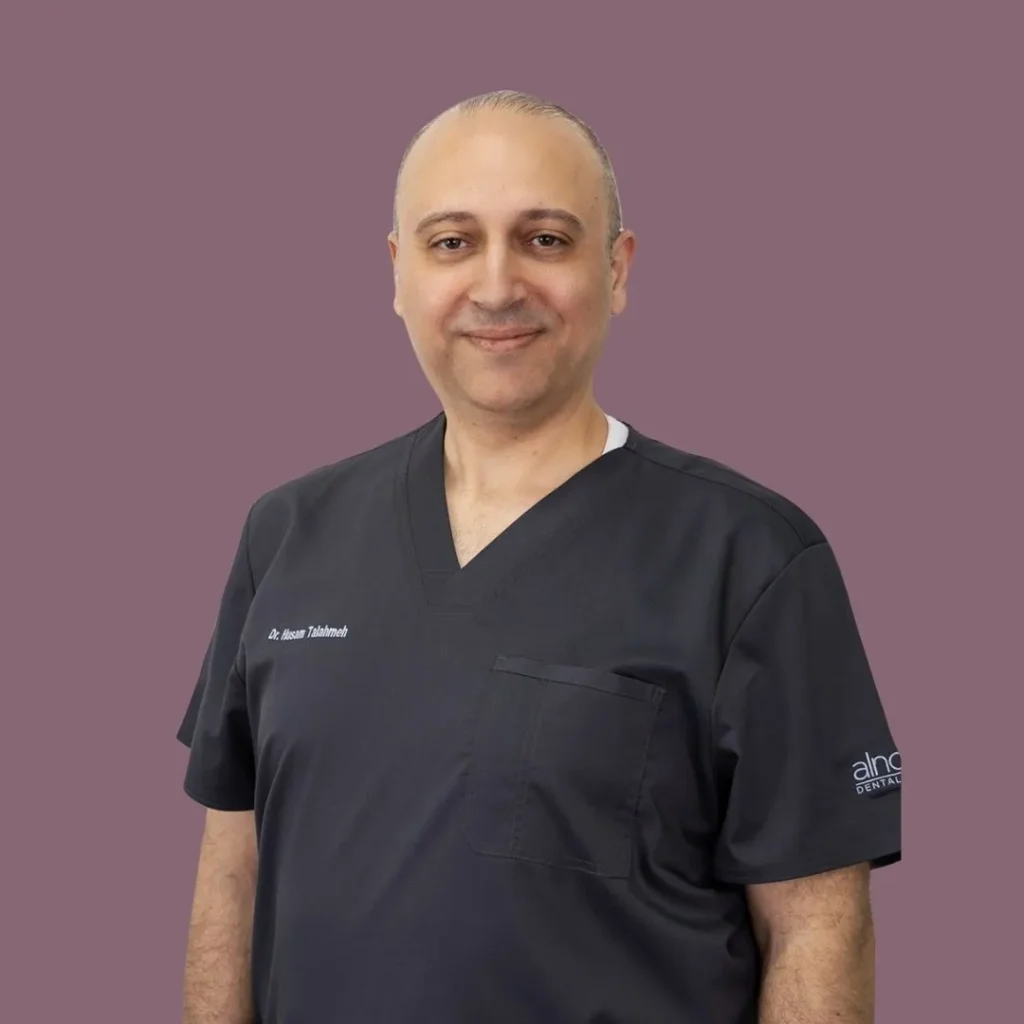
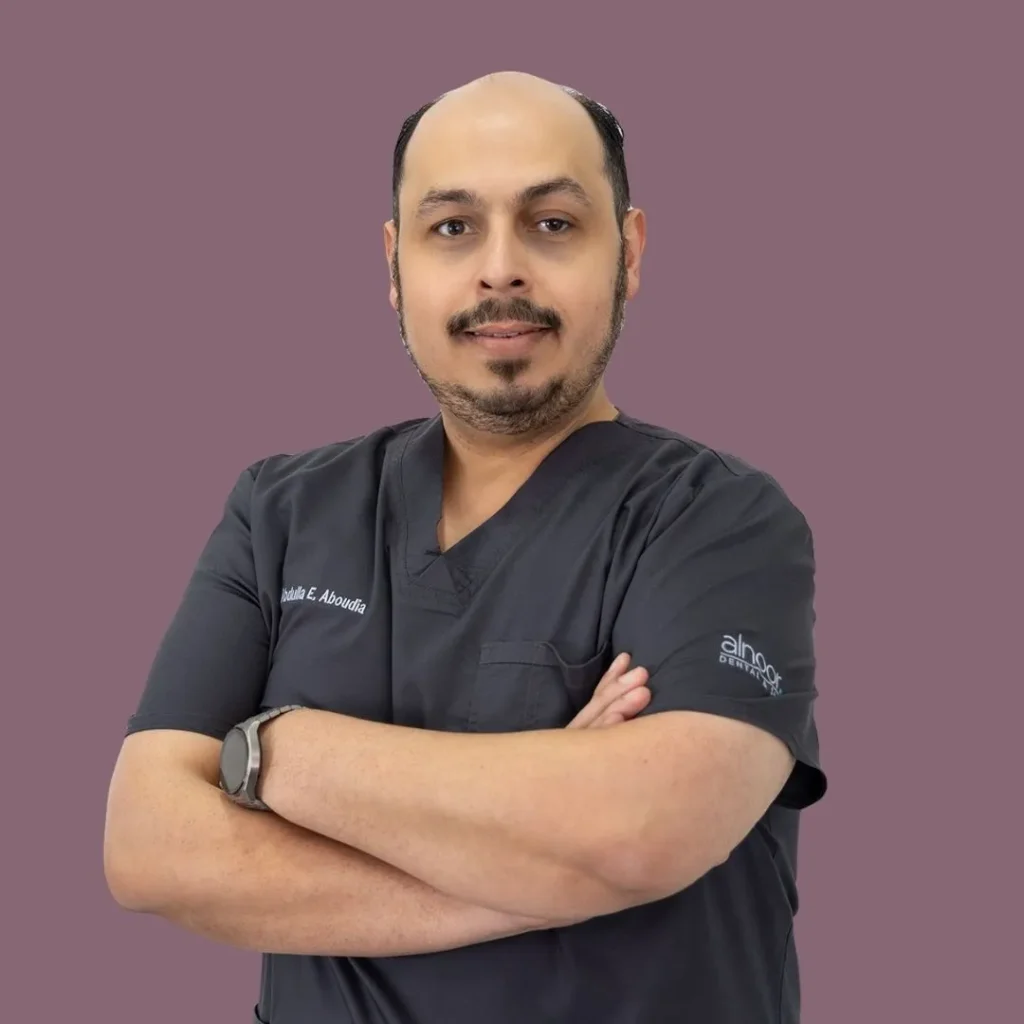
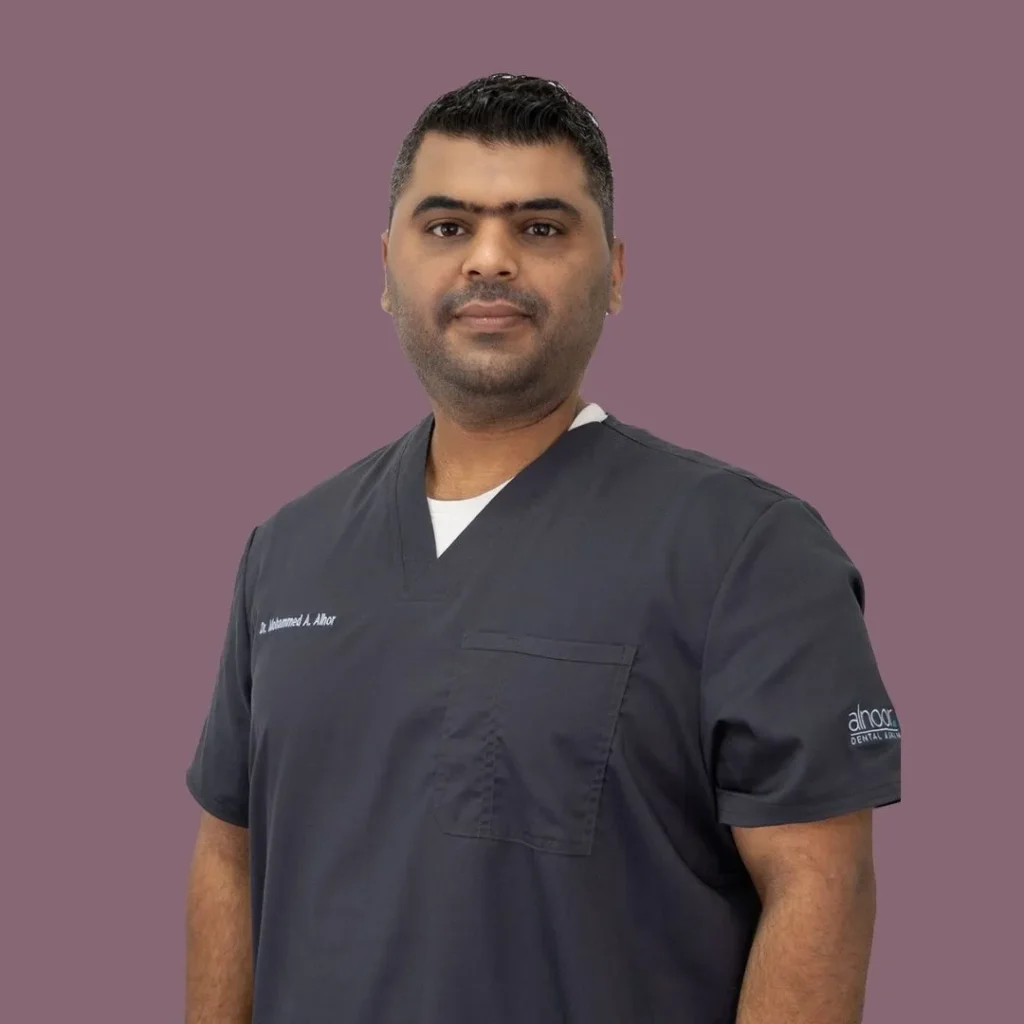
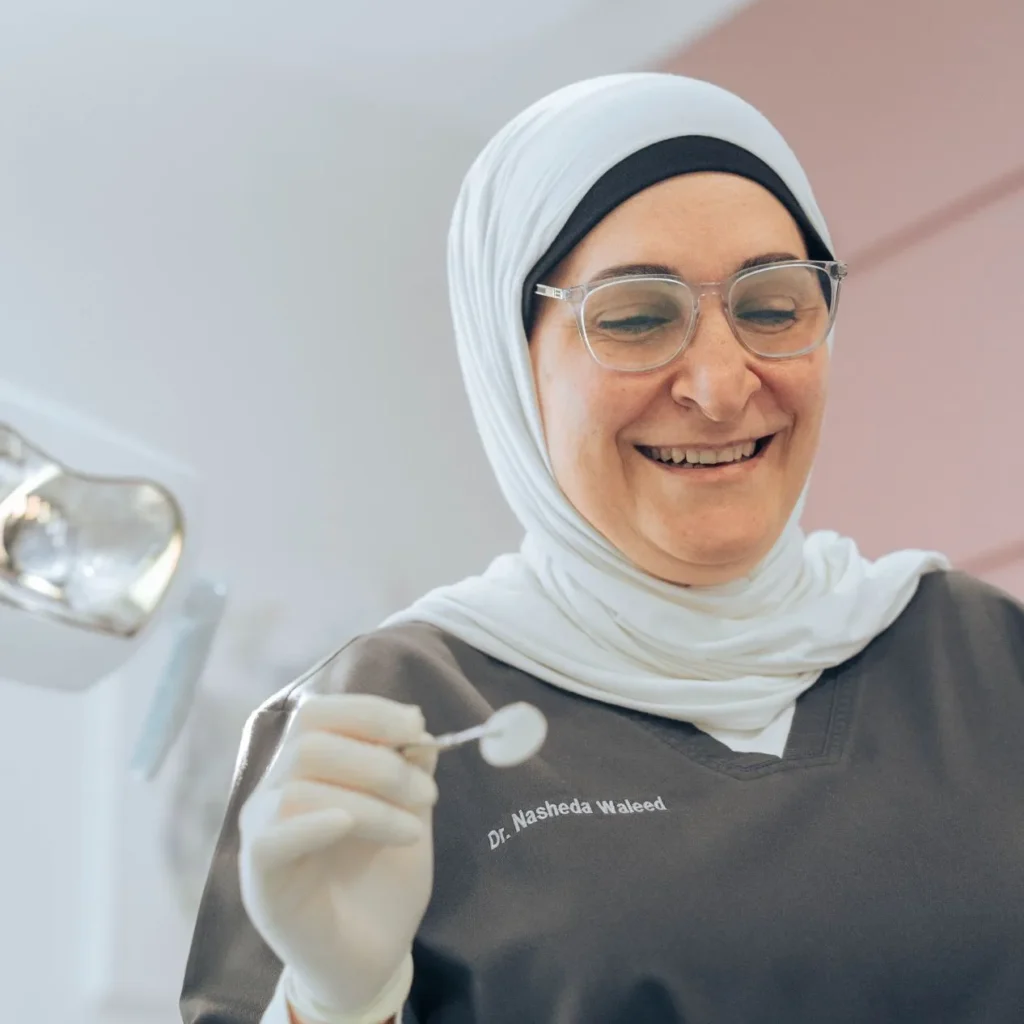
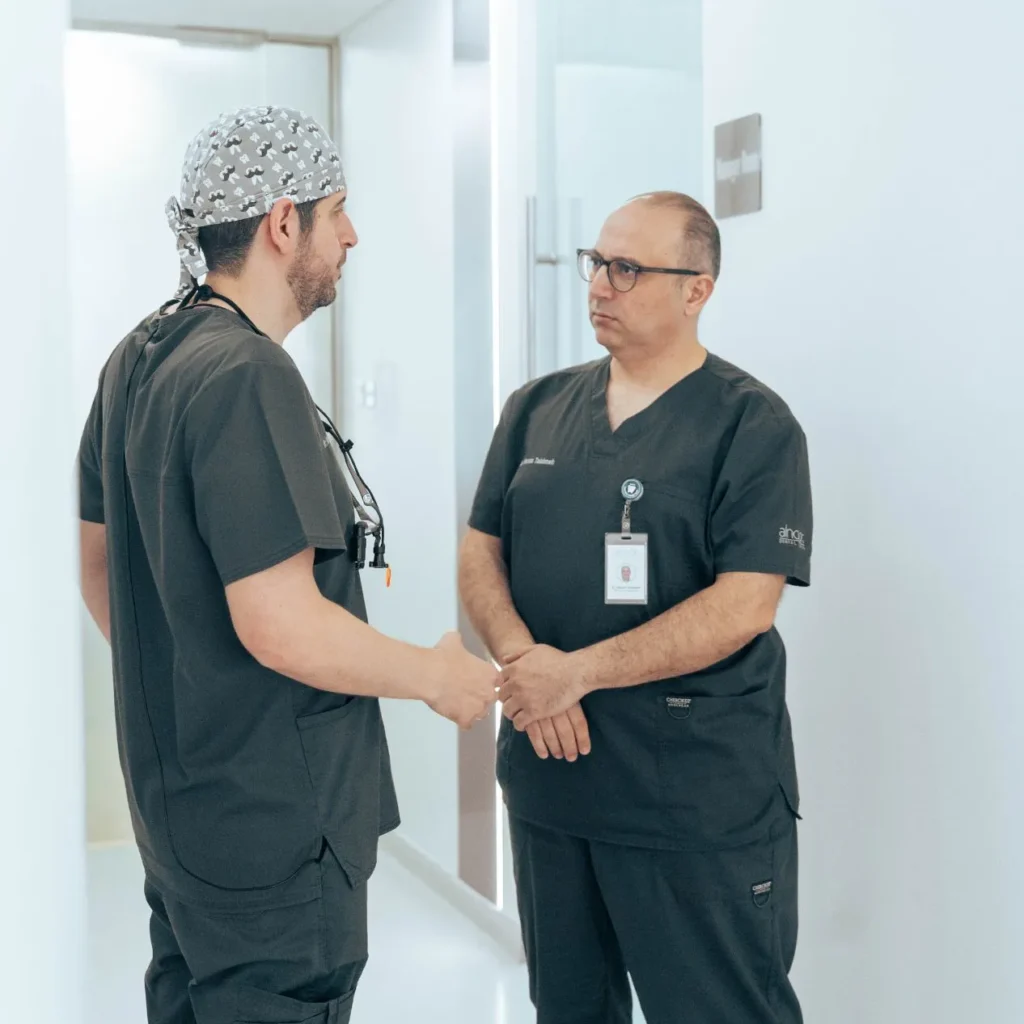
Our dental team works together to support coordinated treatment planning.


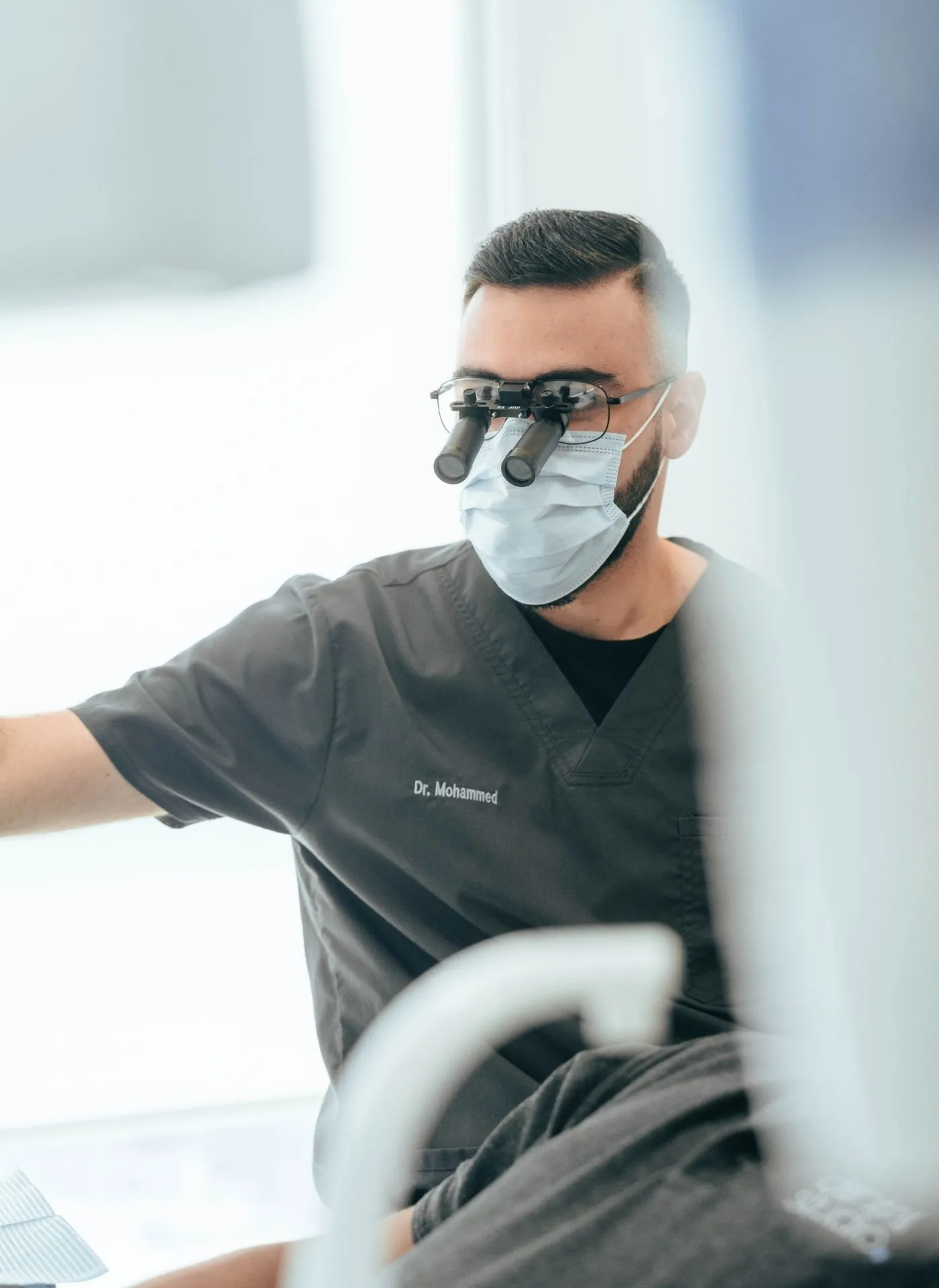
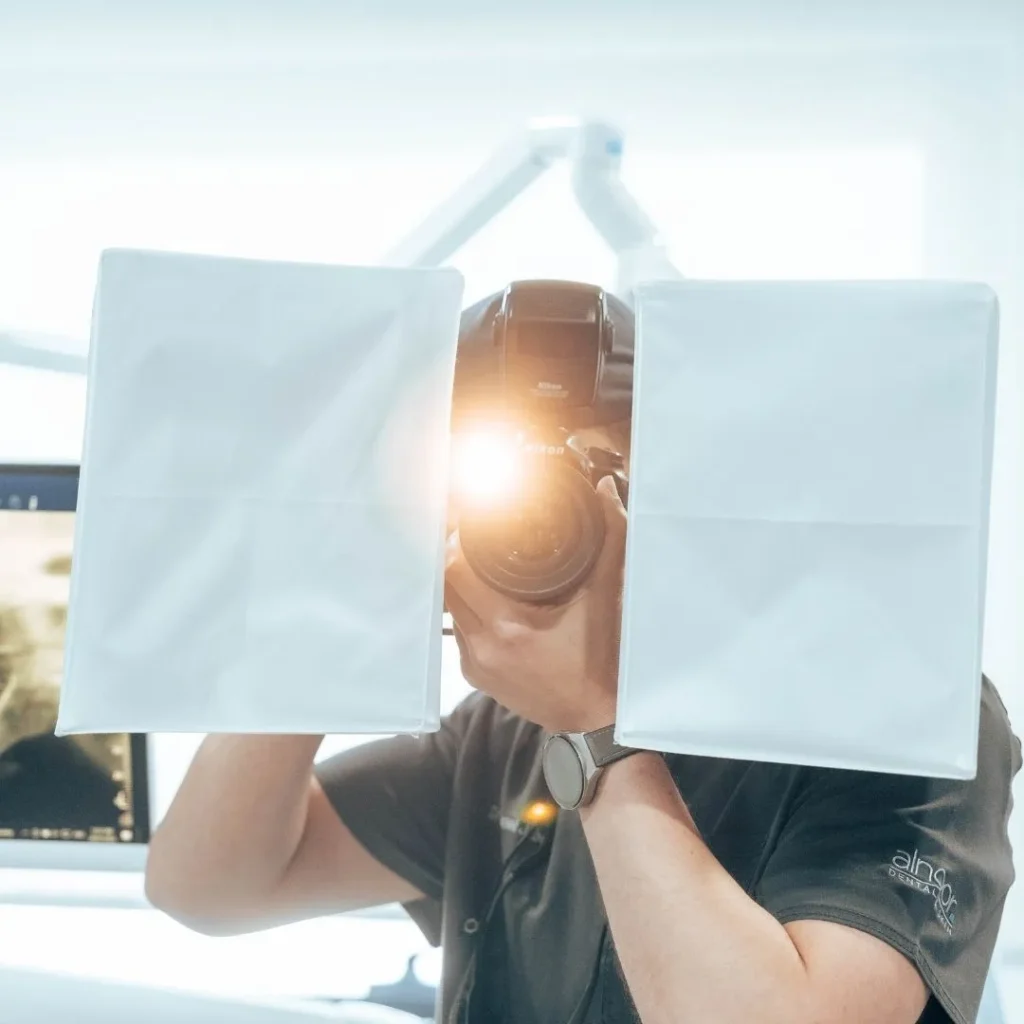
Digital diagnostics, 3D imaging, lasers, AirFlow, microscope, and ATP38 support precision and comfort.
Every patient has different needs, and our aim is to offer you personalised care.
If you’d like to speak to us, book an initial consultation or simply receive further information, please don’t hesitate to get in touch. We’d be delighted to listen to you and guide you along the path that’s best for you.
What Are the Symptoms of TMJ?
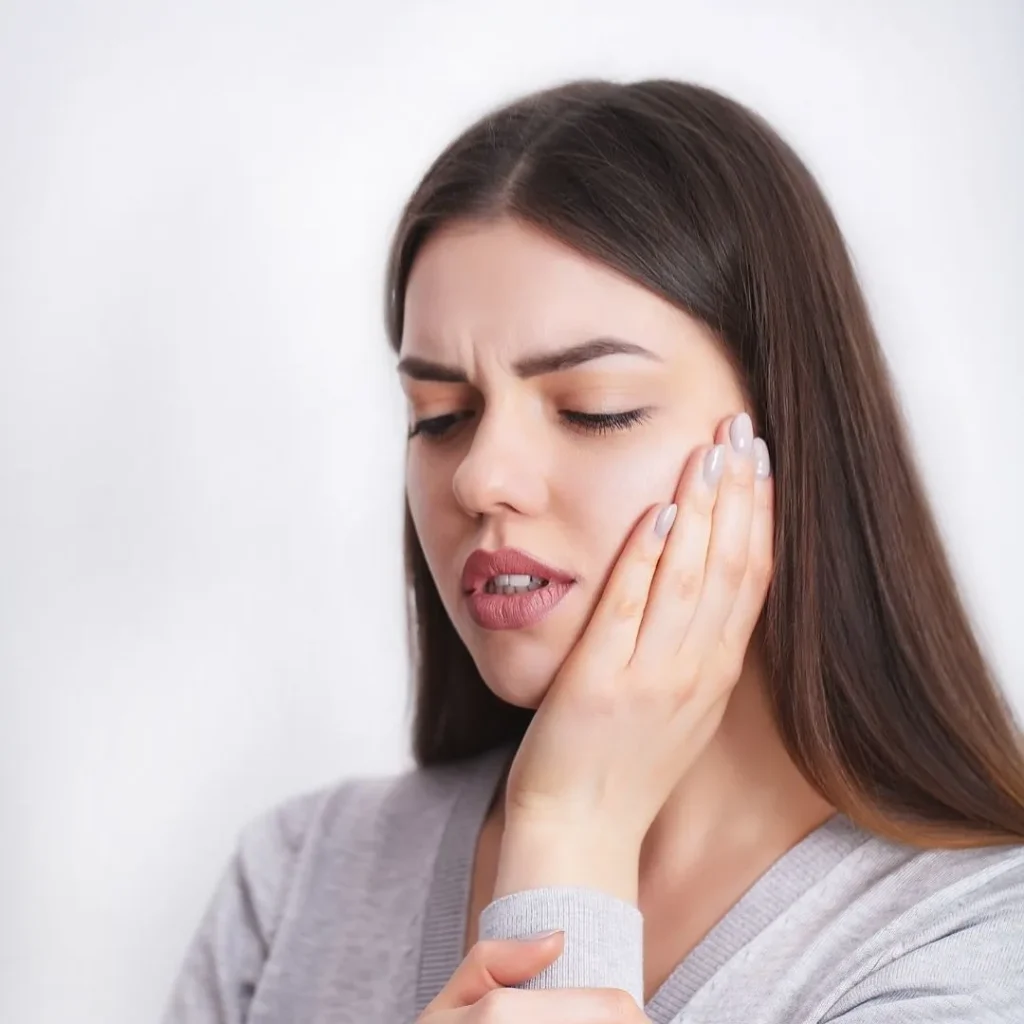
Symptoms of TMJ problems can vary from mild discomfort to daily pain that affects eating, speaking, and sleep. Common signs include jaw pain, joint clicking, headaches, neck tension, and difficulty chewing. Some patients also notice tooth sensitivity, worn teeth, ear discomfort, facial tiredness, or jaw locking when opening or closing the mouth. Because these symptoms may overlap with other dental or medical conditions, diagnosis should be made carefully. The dentist will listen to your symptoms, examine your jaw movement, and assess your bite before recommending care. Schedule an evaluation for tmj disorder in Ras Al Khaimah.
Why Does My Jaw Hurt When I Open My Mouth?
Jaw pain when opening the mouth may happen when the joint, muscles, or ligaments are irritated or overloaded. This can be linked to teeth grinding, jaw clenching, muscle fatigue, joint inflammation, and bite imbalance. Some patients feel pain when yawning, chewing hard foods, or opening wide for long periods. The discomfort may be sharp, dull, or associated with stiffness and limited movement. A dental examination helps understand whether the pain is muscular, joint-related, or connected to dental problems. If jaw opening is painful or restricted, book a consultation for tmj disorder in Ras Al Khaimah.
Why Does My Jaw Pop?
Jaw popping often occurs when the joint disc inside the temporomandibular joint does not move smoothly during opening and closing. It may be painless, or it may be associated with jaw stiffness, facial soreness, chewing discomfort, joint pressure, and limited movement. A clicking or popping sound does not always mean surgery is needed, but it should be assessed if it becomes painful, frequent, or connected with locking. The dentist can evaluate your jaw motion and check whether clenching, grinding, or bite issues are contributing to the sound. Ask about tmj disorder in Ras Al Khaimah.
What Causes TMJ?
TMJ problems may develop from several factors, and each patient needs an individual assessment. Common causes include bruxism, parafunctional habits, stress-related clenching, bite imbalance, and jaw trauma. In some cases, arthritis, muscle tension, missing teeth, poor posture, or long-term overload of the jaw joint may also contribute. Because the cause is not always obvious, treatment should not be chosen without a proper diagnosis. The dentist will review your symptoms, examine your teeth and bite, and evaluate jaw movement before advising the safest option. For a personalized diagnosis, book care for tmj disorder in Ras Al Khaimah.
Every patient deserves time, attention, and clear answers before starting treatment.
If you have questions, would like to book an initial consultation, or need guidance about your dental care, contact us today. Our team will welcome your request with care and help you take the next step with confidence.
How Do You Treat TMJ?
Treatment for TMJ problems depends on the cause, symptoms, and severity of the condition. Conservative care is often preferred first, including nightguards, bite protection, muscle relaxation, habit control, and jaw guidance. Patients with bruxism may benefit from a custom-made appliance that reduces pressure on the teeth and joints during sleep. In selected cases, additional therapies may support muscle comfort and joint function. The dentist will explain your options clearly and recommend the safest suitable plan, avoiding unnecessary treatment whenever possible. Start with a professional assessment for tmj disorder in Ras Al Khaimah.
How to Relieve TMJ Pain
TMJ pain relief begins with understanding what is overloading the jaw. The dentist may recommend soft food choices, reduced jaw strain, warm compresses, gentle exercises, and nightguard protection when appropriate. Patients should avoid chewing gum, biting hard objects, opening too wide, or ignoring signs of grinding and clenching. Pain relief should be guided by a professional, especially when symptoms are persistent, worsening, or associated with locking. Safe care focuses on reducing pressure, protecting teeth, and improving daily comfort. If you need help managing jaw pain, schedule a visit for tmj disorder in Ras Al Khaimah.








What Happens if TMJ Is Left Untreated?
Untreated TMJ problems may become more uncomfortable over time, especially when clenching, grinding, or joint overload continues. Possible effects include chronic jaw pain, worn teeth, frequent headaches, muscle tension, and reduced jaw movement. Some patients may develop difficulty chewing, sleep disturbance, tooth sensitivity, or repeated flare-ups that affect quality of life. Not every TMJ symptom becomes serious, but persistent pain should be evaluated before it worsens. A dentist can help you understand whether monitoring, protection, or treatment is needed. To prevent avoidable complications, book an assessment for tmj disorder in Ras Al Khaimah.
Can Jaw Pain Cause Ear Pain?
Yes, jaw problems can sometimes feel like ear pain because the temporomandibular joint is located close to the ear. At Alnoor Medical Center, we assess these symptoms with jaw examination, bite evaluation, muscle palpation, symptom review, and dental diagnostics. Patients may feel ear pressure, ringing, discomfort when chewing, or pain that spreads from the jaw to the temple or neck. However, ear pain can also have medical causes, so proper evaluation is important. If dental factors are involved, we guide you toward safe treatment options. Contact Alnoor Medical Center for tmj disorder in Ras Al Khaimah.
From central Ras Al Khaimah
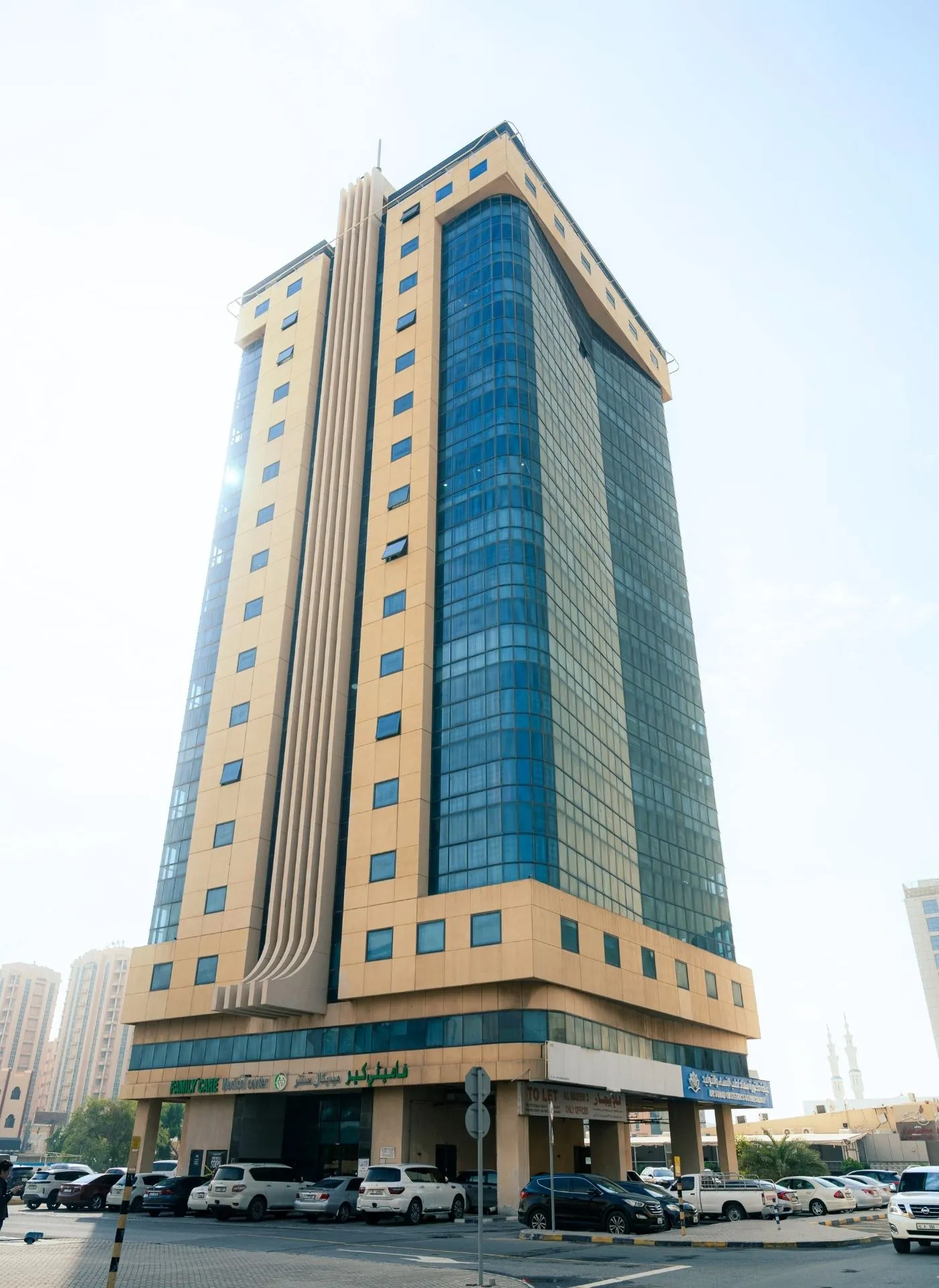
From central Ras Al Khaimah, follow the signs toward Al Nakheel and Al Naeem Mall, then continue onto Etisalat Street until you reach Al Naeem Tower 3.
From the southern side
From the southern side of Ras Al Khaimah, drive toward the city centre, follow directions for Al Naeem Mall, and turn onto Etisalat Street to reach the practice.
Where to parking
Parking is available next to the clinic, including access for disabled patients. Once parked, enter Al Naeem Tower 3 and take the lift to the 8th floor. We recommend arriving a few minutes early, especially for first visits, to allow time for parking, reception, and check-in.
- From Al Nakheel: Follow Etisalat Street directly toward Al Naeem Tower 3.
- From Al Qurm: Take Al Qurm Road toward Al Nakheel, then continue to Etisalat Street.
- From Khuzam: Follow Khuzam Road toward central Ras Al Khaimah, then continue toward Al Naeem Mall and Etisalat Street.
- From Al Dhait: Take Sheikh Mohammed Bin Salem Road toward Ras Al Khaimah city centre, then follow signs for Al Naeem Mall.
- From Al Rams: Follow Al Rams Road toward Ras Al Khaimah city centre, then continue toward Al Nakheel and Etisalat Street.
TMJ Disorder in Ras Al Khaimah: Our Method
Alnoor Medical Center manages TMJ concerns through careful diagnosis, patient education, conservative treatment, custom appliances, and ongoing support. Your visit begins with listening to your symptoms, reviewing your habits, assessing jaw movement, checking tooth wear, and studying your bite. When bruxism or parafunctional habits are involved, we may recommend nightguards, snoreguards, sportguards, or supportive therapies to protect the teeth and reduce strain. ATP38 photobiomodulation may also be considered when clinically appropriate for muscle spasm support. To receive clear advice from our dental team, book your appointment for tmj disorder in Ras Al Khaimah.

Posted on Google Mouza Ali4 days ago
Trustindex verifies that the original source of the review is Google.
Posted on GoogleAlbadri4 days agoI swear to God, I haven't found a better clinic than this one with Dr. (Mohammed Yousef). His hands are so light and his work is amazing, may God bless him. I came to this clinic through a recommendation from a relative.
(Translated by Google, see original)Posted on GoogleJP Salazar5 days ago⭐⭐⭐⭐⭐ ⭐⭐⭐⭐⭐ I had an excellent experience with Dra. Nada during my root canal treatment. She was very gentle, patient, and caring throughout the procedure. She explained everything clearly and made sure I felt comfortable at every step. The entire experience was smooth and stress-free, and I’m very happy with the results. I highly recommend Dra. Nada to anyone looking for a skilled and compassionate dentist! 🦷😊Posted on GoogleFatema Alteneiji7 days agoOne of the best dental clinics in Ras Al Khaimah. Thank you to Dr. Mohammed for his excellent treatment, attention, and professionalism. An excellent experience and the service was top-notch. I highly recommend the clinic and Dr. Mohammed.
(Translated by Google, see original)Posted on GoogleGigi11 days agomy experience was incredible, doctor israa is the best!! i loved the results!!!Posted on GoogleSumayya Alshehhi11 days agoPosted on GoogleAFRA -15 days agoDr. Mohamed Youssef, I wanted to thank you from the bottom of my heart for your care and dedication in solving my dental problem, and for all the advice and explanations you provided after the root canal treatment 🤍. I especially appreciated your advice about getting a crown, and your concern that the tooth would maintain its strength and natural appearance, preventing future problems with broken fillings or other dental issues. My experience with you was very comfortable, and thank you for your honesty, care, and concern for the patient's well-being. May God grant you health and reward you, and may you always be distinguished and creative in your work 🌷
(Translated by Google, see original)Posted on GoogleFatema J19 days agoI was treated by Dr. Mohamed Gaber, one of the best dentists I've ever dealt with. He's incredibly skilled and meticulous, and most importantly, he's trustworthy and dedicated to his patients' well-being and health.
(Translated by Google, see original)Posted on Googlefatema20 days agoDr. Mohammed Jaber is one of the most wonderful and skilled dentists I've ever seen. His work is clean and his professionalism is impeccable. If you want to get your front teeth done, I highly recommend him. He makes your teeth look natural. May God bless him and grant him abundant success. He's a well-known and highly regarded dentist.
(Translated by Google, see original)Posted on Googlesuhaila20 days agoAn excellent experience with Dr. Mohamed Gaber; he's a professional doctor and his work is very precise. I confidently recommend him.
(Translated by Google, see original)Posted on GoogleAl Hammadi22 days agoI had such a great experience with Dr. Esraa! I absolutely loved my lip filler and the beautiful shape she created, and I’m also so happy with my chin filler. Her work is very clean, precise, and natural. I’m honestly so happy with the results and would definitely recommend her! 🤍Posted on GoogleMohammed Abdullah25 days agoThe best dental center in Ras Al Khaimah, I highly recommend it.
(Translated by Google, see original)Posted on GoogleAlanood z28 days agoExcellent service and very friendly staff. The center is clean, well-organized, and the doctors are professional and caring. Highly recommended! ⭐️⭐️⭐️⭐️⭐️Posted on GoogleDina Gayed37 days agoDr. Esraa is truly one of the best doctors in Ras Al Khaimah! She is incredibly knowledgeable, caring, and genuinely a problem solver. She always makes you feel comfortable and takes the time to listen and help you find the best solution. I highly recommend her to anyone looking for an amazing doctor. A special thank you to Asia as well..she is absolutely amazing! She is always so helpful, friendly, kind, and somehow manages to get me an appointment whenever I need one since I’m super busy. She makes the whole experience so much easier and stress-free. And Ms. Ereny, the manager, is also wonderful! She is extremely welcoming, kind, and professional, and you can immediately feel how much she cares about the patients and the team. Highly recommended! ❤️Posted on GoogleHEBA ALSHADFAN37 days agoDr. Dina is honestly one of the best dermatologist. She’s so good at what she does, super gentle, and has the lightest hand. I really trust her and always feel comfortable with her. Definitely recommend her! 🤍Posted on GoogleConnor Marzohl50 days agoI had a teeth scaling, Dr/Taha Allosh dental doc and, Dr/Israa dermatologist, were amazing !!! Reasonable price and friendly staff. Aisa the patient coordinator was so friendly and kind! She helped me with everything I needed and supported me through a dermatologist consultation! I recommend Al Noor for all your dental and dermatology needs. Thank you again Aisa 🙏Posted on GoogleAbdulrahman S.62 days agoDr Abdullah’s work is incredible. Highly recommended.Posted on Googlegell a65 days agoThank you to Al Noor Medical Center for the excellent service provided by everyone. Special thanks to Dr. Ali for treating my daughter Reem with such gentleness and a light touch. My daughter left feeling happy with her braces. Dr. Nashida treated my husband and me with kindness and professionalism, and she was very patient. I thank all the reception staff, especially Maysoun, the center's director. Thank you so much for this medical center in our beloved Emirates of Ras Al Khaimah. 💕 I highly recommend this center.
(Translated by Google, see original)Posted on GoogleMaysoon Alderbi75 days agoDr. Ali Al-Halabi is truly the best doctor. His honesty and integrity are commendable. He treated my son with respect and was very calm. He is truly a professional, skilled, and excellent orthodontist. Thank you, Dr. Ali.
(Translated by Google, see original)Posted on Googleفيصل عبدالرحمن89 days agoOne of the best dentists in Ras Al Khaimah, and their treatment is very classy.
(Translated by Google, see original)Posted on GoogleM Ak97 days agoExcellent service for children with Dr Nasheda and Nurse LaniePosted on Googleasma yousef102 days agoA wonderful experience at Al Noor Center with Dr. Mohammed, may God bless him. He was very gentle and easy to deal with, as was nurse Aya. May God grant you both good health. Thank you so much.
(Translated by Google, see original)Posted on GoogleAaesha Alshehhi124 days agoBest dental clinic everPosted on GoogleNinia Duque125 days agopolite and kind nurses, dentist and other staffs. very clean facilityPosted on GoogleMrmr134 days agoBest clinic in rak 🔝

Bruxism
At Alnoor Medical Center, bruxism is assessed with careful listening, tooth wear evaluation, bite analysis, muscle assessment, and personalized protection. Bruxism means grinding or clenching the teeth, often during sleep, and it can place excessive pressure on the teeth, gums, jaw joints, and facial muscles. Patients may notice headaches, jaw pain, sensitive teeth, cracked restorations, or morning facial tension. The dentist evaluates your symptoms and oral signs before recommending the safest approach, which may include a custom nightguard or supportive care. Book an assessment for tmj disorder in Ras Al Khaimah.
Parafunctional Habits
At Alnoor Medical Center, parafunctional habits are identified through clinical observation, patient history, jaw movement checks, bite evaluation, and habit awareness. These habits include clenching, grinding, nail biting, chewing objects, pressing the tongue against the teeth, or holding the jaw in a tense position for long periods. Over time, they may contribute to tooth wear, muscle fatigue, headaches, jaw clicking, or TMJ discomfort. The first step is recognizing the habit and understanding how it affects your oral health. Our dental team can guide you toward safer daily patterns for tmj disorder in Ras Al Khaimah.
Nightguards
Nightguards are custom dental appliances designed to protect the teeth and reduce pressure on the jaw during sleep. At Alnoor Medical Center, nightguards are planned with digital assessment, comfortable fit, bite stability, tooth protection, and long-term monitoring. They may be recommended for patients who grind or clench their teeth, wake with jaw tension, or show signs of tooth wear. A custom nightguard is different from a generic appliance because it is adapted to your mouth and bite. The dentist will explain whether this option is suitable for your tmj disorder in Ras Al Khaimah.
Snoreguards
Snoreguards may help selected patients who snore due to jaw position or airway-related factors during sleep. At Alnoor Medical Center, suitability is assessed through oral examination, jaw position review, medical history, bite analysis, and patient safety. A snoreguard works by gently supporting the lower jaw in a position that may improve airflow during sleep. Not every patient is suitable, and snoring can have medical causes, so evaluation is important before treatment. When appropriate, the dentist may recommend a custom appliance or referral for further assessment. Ask our team about snoreguards and tmj disorder in Ras Al Khaimah.
Sportguards
Sportguards protect the teeth, gums, lips, and jaw during physical activity or contact sports. At Alnoor Medical Center, sportguards are created with custom fitting, impact protection, comfortable wear, bite support, and durable materials. A well-made sportguard can reduce the risk of dental trauma, chipped teeth, soft tissue injuries, and pressure on the jaw joints during sports. It is especially useful for children, teenagers, and adults who play football, basketball, martial arts, or other active sports. The dentist can advise the safest option for protection and comfort, especially for patients with tmj disorder in Ras Al Khaimah.
Botox for TMJ
For selected cases, Botox may be considered as part of TMJ-related care when muscle overactivity contributes to pain, clenching, or tension. At Alnoor Medical Center, this option is discussed with medical evaluation, safe planning, muscle assessment, clear expectations, and professional coordination. Botox for TMJ is not suitable for every patient, and it should only be recommended after a careful diagnosis and consideration of conservative options such as nightguards and habit control. When clinically appropriate, it may help reduce excessive muscle contraction and improve comfort. Book a consultation to discuss tmj disorder in Ras Al Khaimah.