Alnoor Dental Clinic
Pedodontics and the First Dental Visit: How Does It Work?
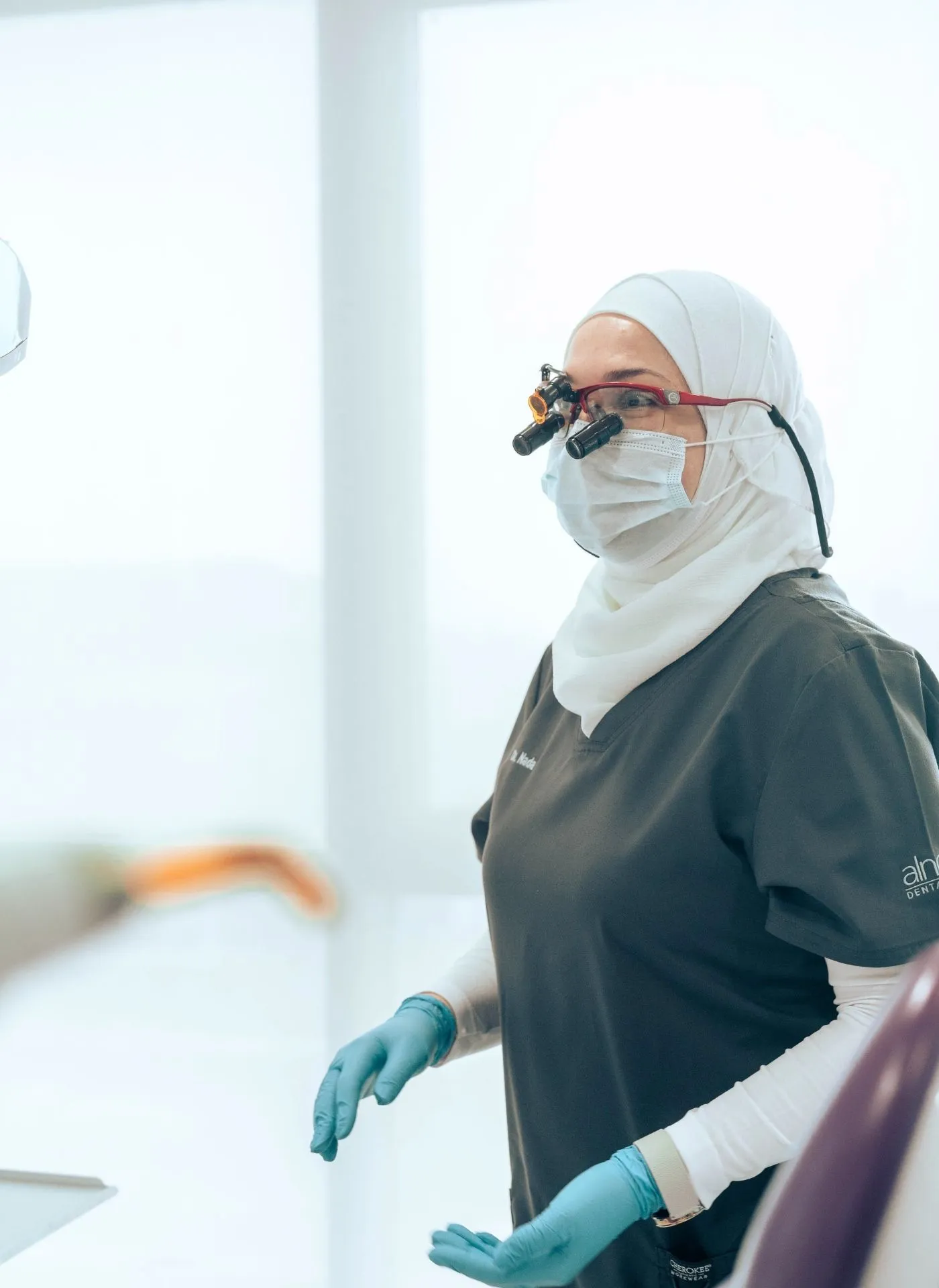
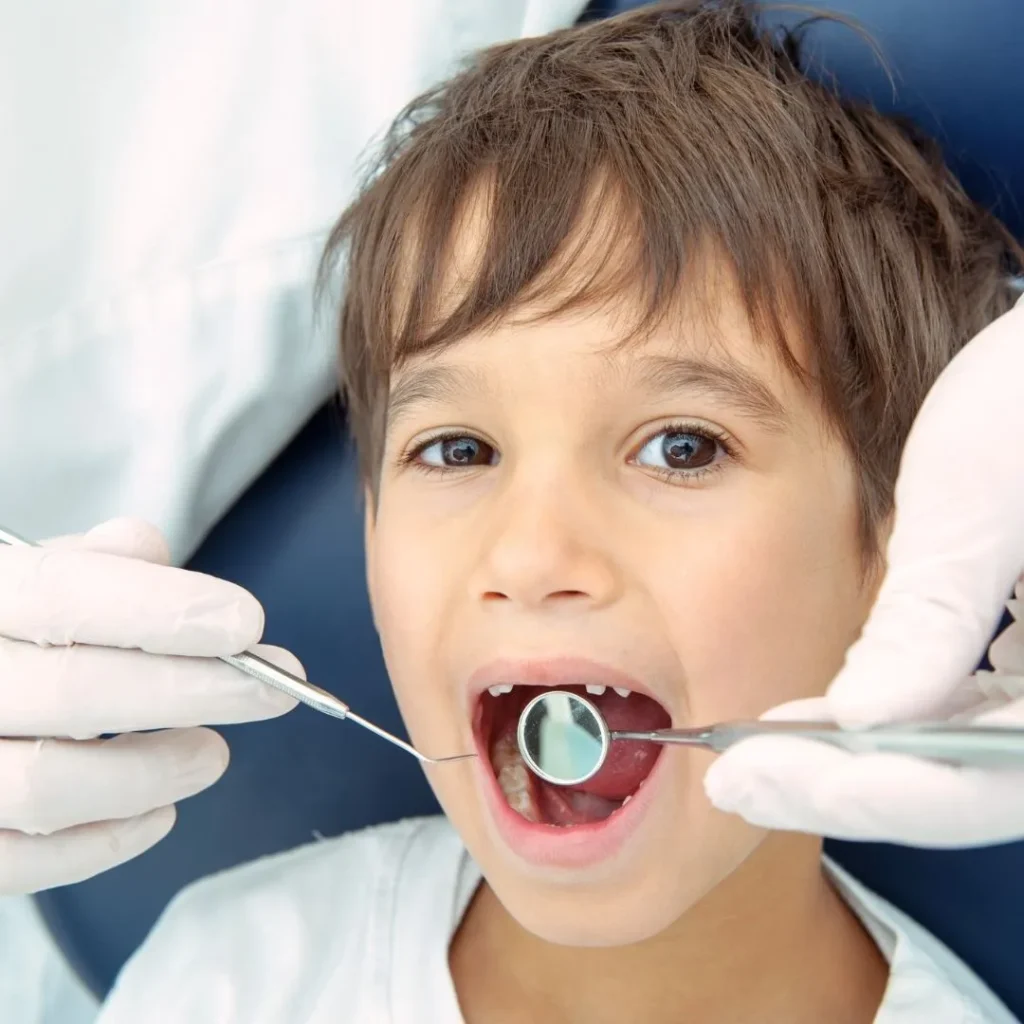
At Alnoor Medical Center, a child’s first dental visit is planned with kindness, listening, observation, education, and reassurance. The dentist gently examines the teeth, gums, bite, oral habits, and dental development while explaining each step in simple language. Parents can ask questions about brushing, teething, diet, fluoride, thumb sucking, pacifiers, and cavity prevention. The aim is to make the visit positive, not stressful, so children can build confidence and trust over time. Early visits also help detect small concerns before they become painful. Start confidently with a pediatric dentist in Ras Al Khaimah.

Many dental experts work together to plan safer, more complete treatments.

15 years of trusted dental care in Ras Al Khaimah.

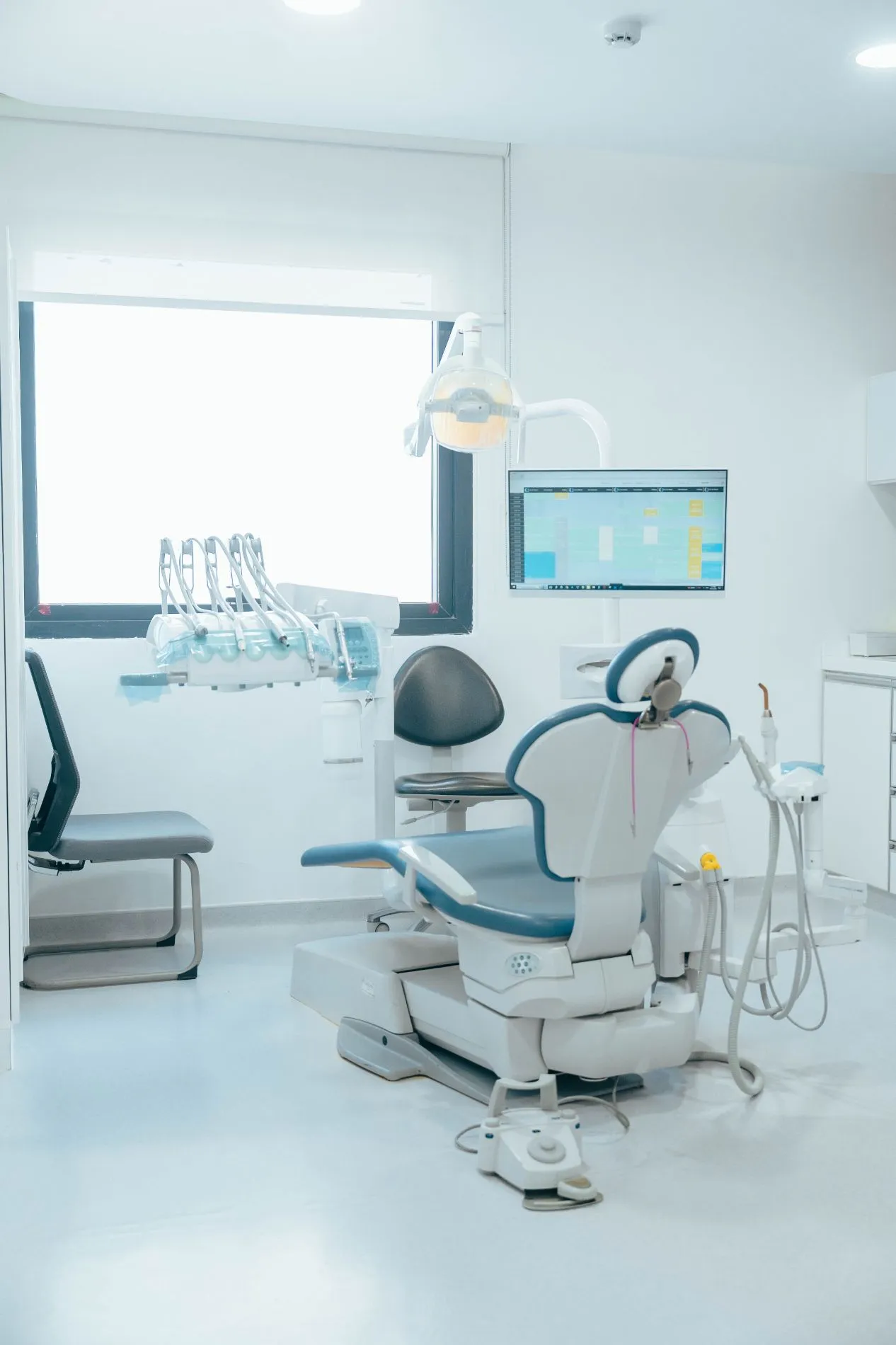
Digital diagnostics, 3D imaging, lasers, AirFlow, microscope, and ATP38 support precision and comfort.
Every patient has different needs, and our aim is to offer you personalised care.
If you’d like to speak to us, book an initial consultation or simply receive further information, please don’t hesitate to get in touch. We’d be delighted to listen to you and guide you along the path that’s best for you.
When Should an Infant Go to the Dentist
An infant should usually see the dentist when the first tooth appears or around the first birthday, depending on dental development and parental concerns. Early visits support healthy habits, teething guidance, feeding advice, cavity prevention, and parent education. Even baby teeth need care because they help children chew, speak, smile, and guide permanent teeth into position. The dentist can check gum health, early tooth eruption, enamel quality, and any signs of decay. Parents also receive practical advice on brushing and diet. For early guidance, schedule a visit with a pediatric dentist in Ras Al Khaimah.
What Is Pediatric Dentistry
Pediatric dentistry is the branch of dental care focused on children’s oral health, from infancy through adolescence. It includes preventive care, dental checkups, fluoride treatment, pulpotomies, and child-friendly treatment planning. A pediatric dental approach considers growth, behavior, habits, tooth eruption, and emotional comfort, because children need different support from adults. The dentist also helps parents understand how to prevent cavities, manage teething discomfort, protect baby teeth, and encourage good brushing routines. When problems are found early, treatment is often simpler and more comfortable. Choose support from a pediatric dentist in Ras Al Khaimah.

How Long Does Teething Last
Teething usually begins around six months, but every child develops differently, and the timing can vary. The process may continue until most baby teeth have erupted, often around age two to three. During teething, children may show gum swelling, drooling, irritability, chewing habits, and sleep changes. These symptoms can come and go as each tooth moves through the gum. Parents should keep the mouth clean, offer safe comfort measures, and contact a dentist if symptoms seem unusual or severe. For teething advice and monitoring, speak with a pediatric dentist in Ras Al Khaimah.
What Are the Different Types of Dental Treatments for Children?
Dental treatments for children depend on age, oral health, cooperation, and the type of problem found. Common pediatric care includes dental exams, professional cleaning, fluoride treatment, fillings, and pulpotomies when baby teeth are affected more deeply. Children may also need sealants, emergency care for dental trauma, space maintenance, habit guidance, orthodontic screening, or inhalation sedation for suitable cases. The safest treatment is chosen after careful examination and discussion with parents. The goal is always to protect oral health while helping children feel safe and respected. Book care with a pediatric dentist in Ras Al Khaimah.

Every patient deserves time, attention, and clear answers before starting treatment.
If you have questions, would like to book an initial consultation, or need guidance about your dental care, contact us today. Our team will welcome your request with care and help you take the next step with confidence.
Does Teething Cause Fever
Teething may cause mild discomfort, drooling, gum tenderness, and irritability, but high fever should not be automatically blamed on teething. Parents should watch for persistent fever, poor feeding, diarrhea, vomiting, or unusual tiredness, because these may need medical advice. Dental evaluation can help check whether gum swelling, eruption, or oral irritation is contributing to your child’s discomfort. Safe guidance is important, especially for infants and young children who cannot explain their symptoms clearly. If you are unsure whether symptoms are dental or medical, ask for support from a pediatric dentist in Ras Al Khaimah.
What Does Teething Rash Look Like
A teething rash often appears as redness or irritation around the mouth, chin, or cheeks, usually caused by frequent drooling. Parents may notice red patches, dry skin, mild irritation, chapped areas, and sensitive skin near the lips or chin. Keeping the area clean and gently dry may help reduce irritation. However, rashes can also have other causes, so persistent, spreading, blistering, or painful skin changes should be checked by a healthcare professional. The dentist can help assess oral signs linked to teething. For dental guidance, contact a pediatric dentist in Ras Al Khaimah.












Is Fluoride Good for Your Teeth?
Fluoride can help strengthen enamel and reduce the risk of cavities when used correctly for a child’s age and needs. In pediatric dentistry, fluoride supports enamel protection, decay prevention, tooth strength, early care, and long-term oral health. The dentist may recommend fluoride toothpaste, professional fluoride treatment, or specific instructions based on your child’s cavity risk. Parents should use the right amount of toothpaste and supervise brushing to avoid swallowing too much. Fluoride advice should always be personalized, especially for younger children. To understand what is suitable, visit a pediatric dentist in Ras Al Khaimah.
How to Help With Teething Pain
Teething pain can often be managed with safe, gentle measures that soothe the gums without harming the child. Parents may use cool teething rings, clean fingers, gentle gum massage, comfort routines, and safe dental advice. Avoid unsafe objects, hard foods that may break, or unapproved gels without professional guidance. If your child seems very distressed, refuses feeding, has fever, or shows swelling that does not improve, a dental or medical assessment may be needed. The dentist can confirm whether teething is the likely cause. For safe advice, book a pediatric dentist in Ras Al Khaimah.
From central Ras Al Khaimah
From central Ras Al Khaimah, follow the signs toward Al Nakheel and Al Naeem Mall, then continue onto Etisalat Street until you reach Al Naeem Tower 3.
From the southern side
From the southern side of Ras Al Khaimah, drive toward the city centre, follow directions for Al Naeem Mall, and turn onto Etisalat Street to reach the practice.
Where to parking
Parking is available next to the clinic, including access for disabled patients. Once parked, enter Al Naeem Tower 3 and take the lift to the 8th floor. We recommend arriving a few minutes early, especially for first visits, to allow time for parking, reception, and check-in.
- From Al Nakheel: Follow Etisalat Street directly toward Al Naeem Tower 3.
- From Al Qurm: Take Al Qurm Road toward Al Nakheel, then continue to Etisalat Street.
- From Khuzam: Follow Khuzam Road toward central Ras Al Khaimah, then continue toward Al Naeem Mall and Etisalat Street.
- From Al Dhait: Take Sheikh Mohammed Bin Salem Road toward Ras Al Khaimah city centre, then follow signs for Al Naeem Mall.
- From Al Rams: Follow Al Rams Road toward Ras Al Khaimah city centre, then continue toward Al Nakheel and Etisalat Street.
When Should I Start Brushing My Baby’s Teeth
You should start brushing your baby’s teeth as soon as the first tooth appears. Early brushing helps create healthy habits, plaque control, cavity prevention, gum care, and routine confidence. Use a soft baby toothbrush and the amount of fluoride toothpaste recommended by your dentist for your child’s age. Before teeth erupt, parents can gently clean the gums with a soft, damp cloth. Children need help brushing for several years because they do not yet have the coordination to clean properly alone. For practical brushing guidance, speak with a pediatric dentist in Ras Al Khaimah.
Children's Dentist in Ras Al Khaimah: Our Method
At Alnoor Medical Center, our method for children is based on gentle communication, preventive education, careful diagnosis, parent involvement, and safe treatment planning. We take time to help children feel comfortable, explain procedures in a simple way, and guide parents through each step. Depending on the child’s needs, care may include dental exams, cleaning, fluoride, pulpotomies, fillings, emergency support, or inhalation sedation when suitable. Our team focuses on protecting baby teeth, supporting healthy development, and creating positive dental experiences. To care for your child’s smile, book with a pediatric dentist in Ras Al Khaimah.
What is Inhalation Sedation?
At Alnoor Medical Center, inhalation sedation may help suitable children feel calmer during dental care through gentle relaxation, anxiety support, safe monitoring, clear communication, and child-friendly guidance. It can be useful for young patients who feel nervous, have difficulty sitting still, or need longer treatment. Before recommending sedation, the dentist reviews the child’s health, treatment needs, and cooperation level to confirm whether it is appropriate. Parents receive clear explanations before the appointment, so they understand each step. For comfortable and safe children’s care, book with a pediatric dentist in Ras Al Khaimah.
What is Fluoride Treatment?
Fluoride treatment can help strengthen children’s enamel and reduce the risk of cavities when recommended after a dental evaluation. At Alnoor Medical Center, fluoride care is planned with age-appropriate advice, decay prevention, enamel protection, parent education, and regular monitoring. The dentist checks your child’s teeth, cavity risk, brushing habits, diet, and oral hygiene before suggesting professional fluoride application. This treatment is quick, gentle, and often part of a preventive dental plan for children. Parents also receive guidance on fluoride toothpaste use at home. Protect your child’s teeth with a pediatric dentist in Ras Al Khaimah.
What is Pulpotomies?
A pulpotomy may be recommended when decay reaches the inner part of a baby tooth but the tooth can still be preserved safely. At Alnoor Medical Center, this treatment is performed with careful diagnosis, gentle technique, infection control, tooth preservation, and comfort-focused care. The dentist removes the affected pulp tissue, places suitable medication, and restores the tooth to help maintain function until it naturally falls out. Saving baby teeth can support chewing, speech, and proper space for permanent teeth. For child-friendly treatment planning, consult a pediatric dentist in Ras Al Khaimah.