

Filler swelling and results can be difficult to separate during the first days after treatment. At Alnoor Medical Center in Ras Al Khaimah, dermal fillers are planned around individual anatomy, treatment goals and medical assessment. An area may initially look fuller or less even than expected, but appearance alone cannot tell you whether recovery is progressing normally. This article explains how early changes can affect your judgement, why review timing matters, and which symptoms need prompt attention rather than waiting for the final appearance to emerge.

Why can filler swelling and results look similar at first?
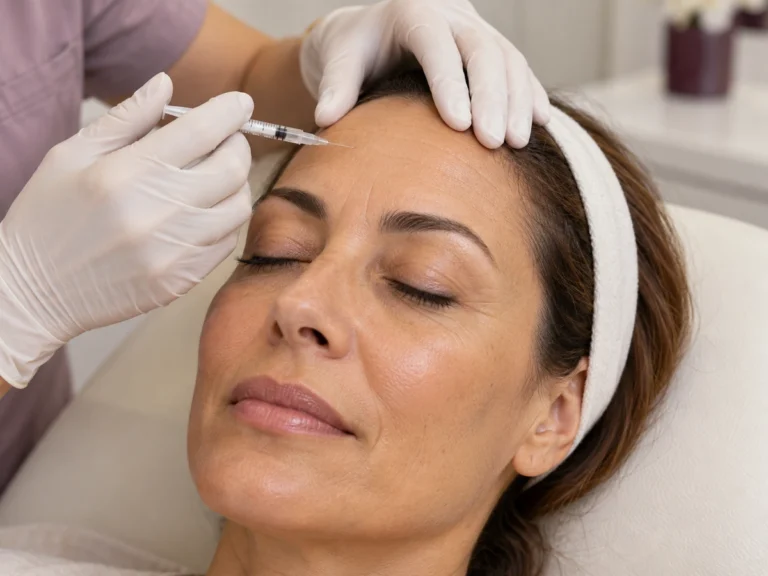
Filler adds material to the treated tissues, while the injection itself can trigger a temporary tissue response. Post-filler swelling can therefore contribute to the fullness seen immediately afterwards. Some early volume reflects the treatment, and some may reflect fluid around the area. You cannot reliably separate these contributions by looking in the mirror on the day of injection.
Products containing hyaluronic acid also interact with water, although the behaviour of each formulation differs. The treated area, product and individual response all influence the early appearance. This does not mean every change is harmless or should be ignored. Ask your clinician what to expect for your particular treatment and how to reach the clinic if the response differs.
How can swelling affect your sense of balance?
The two sides of the face are rarely identical before treatment. Temporary swelling can make existing differences more noticeable or create an uneven appearance during recovery. Facial asymmetry should therefore be assessed with reference to your starting appearance and the changes over time. A single close-up photograph may exaggerate differences through lighting, angle or expression.
This is particularly relevant after lip enhancement, when small changes can be easy to notice during speaking or smiling. Avoid repeatedly pressing the area to compare firmness or trying to reshape it yourself. Follow the instructions provided instead of copying a massage technique from social media. Persistent or increasing unevenness should be discussed with the treating clinician, who can examine the area properly.
Which early changes should you record for your clinician?
Post-filler bruising may alter colour and make a treated area appear different from the surrounding skin. Mild tenderness can also occur around an injection site. Record when a change started, whether it is improving and whether other symptoms are present. Photographs taken under similar lighting may support a conversation with the clinic, but they do not replace an examination.
Useful information is more specific than simply saying that the result looks wrong. Explain what has changed and how the area feels without repeatedly manipulating it. Your clinician can then decide whether advice, a routine review or urgent assessment is appropriate. When reporting a concern, include:
- When the treatment took place and which area was treated.
- Whether discomfort, swelling or colour changes are increasing.
- Any new symptoms, including visual changes or feeling unwell.
- Any pressure, massage or products applied since the appointment.
What can you do while waiting for a routine review?
Filler aftercare should reflect the product used, the area treated and your clinician’s instructions. Advice may include temporary limits on strenuous activity and handling the area. Ask when to resume your usual skincare and exercise rather than assuming that every online timetable applies. Do not add treatments or home remedies without checking their suitability.
Plan some flexibility around social events because visible recovery varies. Returning to ordinary activities does not necessarily mean that the appearance has settled. Avoid deciding that more filler is needed while swelling still affects the assessment. Any additional treatment should follow clinical review, with the potential benefits and risks explained rather than being an automatic response to an early photograph.
When should you seek help instead of waiting?
A routine review date is not a reason to delay reporting an unusual reaction. Vascular occlusion is an uncommon but serious complication involving impaired blood flow. Unusual or worsening pain, pale or mottled skin, or concerning colour changes need urgent clinical assessment. Do not massage the area or attempt to treat a suspected complication yourself.
Any sudden visual disturbance after treatment requires immediate emergency medical attention. Breathing difficulty, collapse or signs of a severe allergic reaction also require emergency help. Increasing redness, warmth, fever or discharge should be assessed promptly for possible infection. These signs cannot be safely classified as ordinary swelling through an online article or a photograph alone.
Filler swelling and results: judge progress at the right time
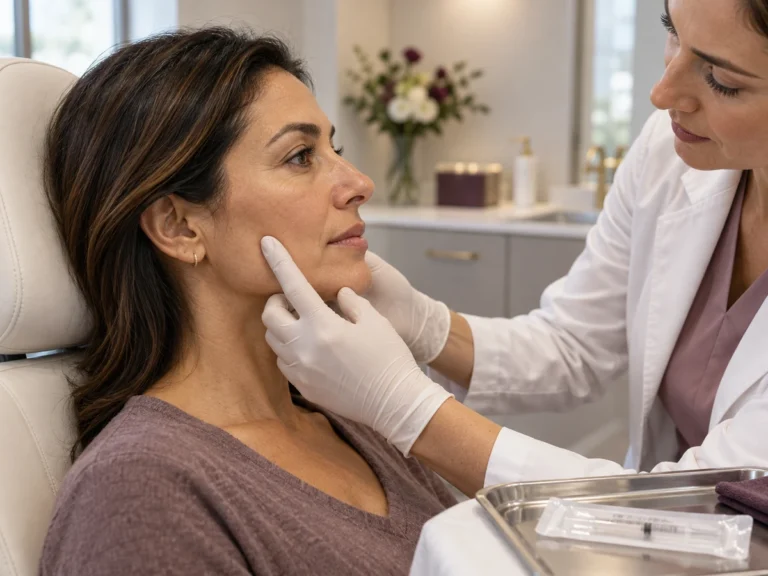
A filler review appointment is an opportunity to assess recovery and discuss the appearance once early changes have settled sufficiently. The appropriate timing depends on the product, treatment area and clinical findings. Some effects improve over days, while others take longer, and a clinician should explain the expected course. A review may lead to reassurance, further assessment or a revised plan; it does not necessarily mean another injection.
At Alnoor Medical Center, treatment planning includes individual assessment and guidance about recovery. Understanding the difference between an early appearance and an assessed result can help you ask clearer questions. Follow your own instructions, report concerning symptoms promptly and allow clinical review to guide decisions about any further treatment.
📞 +971 72288451
💬 +971 72288451
✉️ info@alnoordental.com
📍 8th Floor, Al Naeem Tower 3, Etisalat Street, Ras Al Khaimah, United Arab Emirates