When one or more teeth are lost, one of the first questions patients ask concerns the best solution to restore both the aesthetics and functionality of the smile. Among the most common online searches is Which is better dental bridge or implant, because many patients want to understand the differences between a dental bridge and a dental implant before starting treatment.
At Alnoor Medical Center in Ras Al Khaimah, implantology and dental rehabilitation treatments are customized according to the patient’s oral condition and treatment goals. Both dental bridges and implants may represent effective solutions, but the best option always depends on the individual clinical situation. Understanding the advantages and limitations of each treatment helps patients develop realistic expectations and choose the most suitable path.
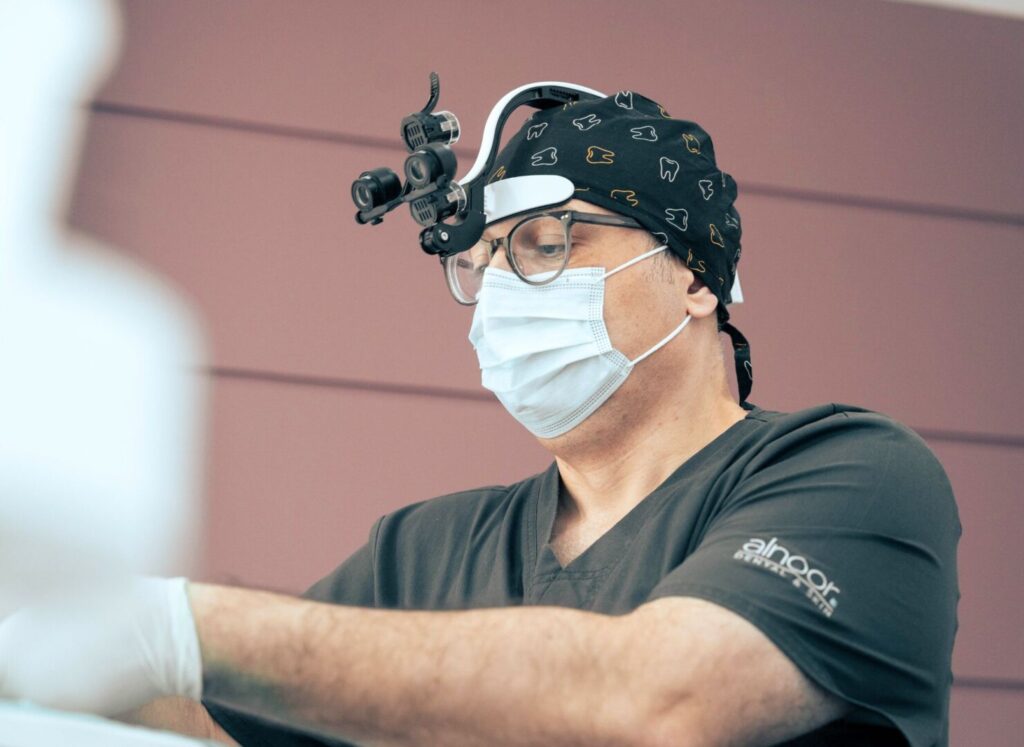
Which is better Dental Bridge or Implant for replacing a missing tooth?
There is no identical answer for everyone because dental bridges and implants address different clinical needs. The choice depends on factors such as gum health, bone availability, and the condition of the surrounding teeth.
Many patients want to:
- replace a missing tooth
- improve smile aesthetics and chewing function
A dental implant replaces the root of the missing tooth through a titanium screw inserted into the bone, while a dental bridge uses the adjacent teeth as support for the artificial tooth.
Each solution has specific characteristics, which is why a careful professional evaluation is essential before selecting the treatment.
In some cases, implants may be preferable because they help preserve the neighboring teeth, while in other situations a dental bridge may represent a valid and less invasive alternative.
How a Dental Bridge works
A dental bridge is used to replace one or more missing teeth by using the nearby natural teeth as support for the prosthetic structure.
Generally, a bridge is chosen for:
- limited dental spaces
- replacement of one or a few missing teeth
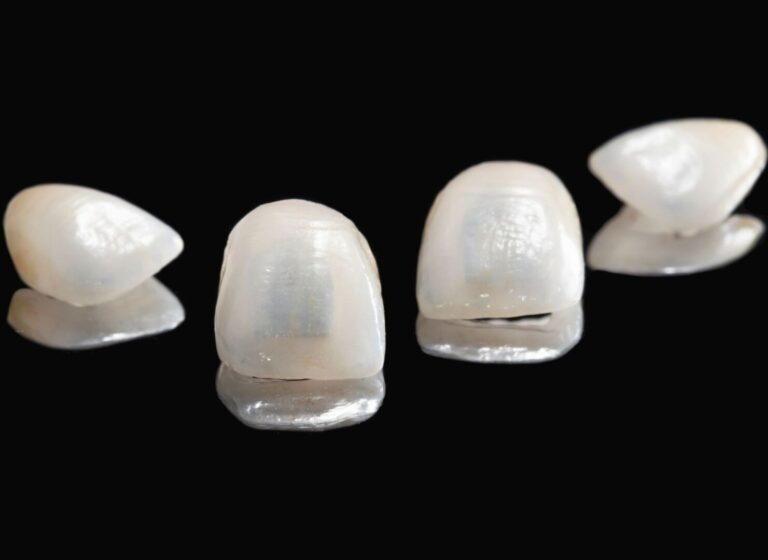
To place a bridge, it is often necessary to prepare the adjacent teeth, which will act as supporting pillars. A prosthetic structure containing the replacement tooth is then attached over these teeth.
A dental bridge helps restore both function and smile aesthetics by improving chewing ability and dental harmony. However, the treatment also involves healthy teeth located next to the missing tooth area.
Many patients appreciate the fact that a bridge does not require implant surgery, especially when conditions make implant placement more complex.
How Dental Implants work
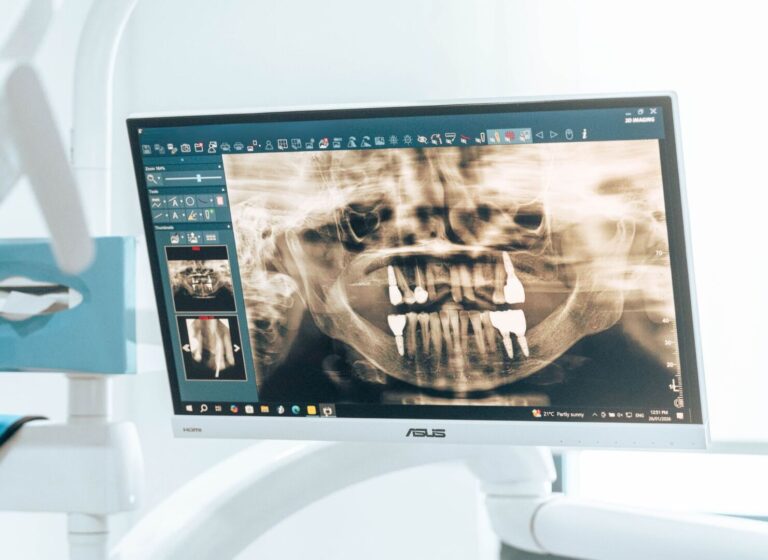
A dental implant replaces the natural tooth root through a structure inserted into the jawbone. A dental crown is then attached to reproduce the shape and function of the missing tooth.
Many people choose implants for:
- long-term stability
- bone support
One of the main advantages of implantology is the possibility of replacing a tooth without involving neighboring teeth. In addition, implants help stimulate the bone, contributing to limiting bone resorption over time.
However, implants require adequate bone quantity and healthy gums, which is why not all patients are immediate candidates for treatment. In some cases, preparatory procedures may also be necessary.
The implant treatment process may also require different healing times depending on the individual case and clinical complexity.
Dental Bridge vs Implant: What are the main differences?
When comparing a dental bridge and an implant, it is important to consider not only aesthetics but also function, longevity, and long-term oral health.
Among the most important differences are:
- involvement of adjacent teeth
- presence or absence of implant surgery
A dental bridge relies on neighboring teeth for support, while an implant functions independently. In addition, implants help maintain bone stimulation, whereas areas without a natural root may gradually experience bone loss over time.
Every patient has different clinical conditions, which is why the ideal solution should always be selected individually. Age, bone quality, gum health, and personal expectations all influence treatment planning.
Many people search for the “best” solution overall, but in modern dentistry the correct treatment is always the one most suitable for the patient’s specific condition.
How long do Dental Bridges and Implants last?
One of the most common questions concerns treatment longevity. Many patients search online for:
- how long do dental implants last
- are dental implants permanent
Both bridges and implants may last for many years, but their longevity depends on several factors, including oral hygiene, gum health, and regular dental check-ups.
Habits such as smoking and bruxism may also affect treatment durability by increasing the risk of complications or wear over time.
Implants require proper integration with the bone, while bridges also depend on the health of the supporting teeth. For this reason, daily oral hygiene is fundamental in both situations.
Regular follow-up appointments help monitor gum health, stability, and the condition of the prosthetic structures over time.
Are Dental Implants painful?
Many patients feel anxious about implant surgery and search online for:
- do dental implants hurt
- are dental implants painful
Today, modern technologies and advanced surgical techniques allow treatments to be performed with significantly greater comfort compared to the past. During the procedure, local anesthesia is used to minimize discomfort.
After treatment, patients may experience:
- mild swelling
- temporary sensitivity
These effects generally improve during the following days when post-operative instructions are followed correctly.
Digital planning and minimally invasive techniques may also help improve patient comfort, especially in modern implant treatments.
Which is better Dental Bridge or Implant? Final thoughts on Bridges and Implants
The question Which is better dental bridge or implant is extremely common because tooth loss affects both the aesthetics and functionality of the smile.
Dental bridges and implants are both valid solutions, but the choice always depends on the patient’s clinical characteristics and treatment goals. There is no universal solution suitable for everyone, which is why a personalized professional evaluation is essential for selecting the most appropriate treatment. At Alnoor Medical Center, a personalized approach, modern technologies, and attention to smile health allow patients to experience implant and prosthetic treatments in a safer and more informed way.
📞 +971 72288451
💬 +971 72288451
✉️ info@alnoordental.com
📍 8th Floor, Al Naeem Tower 3, Etisalat Street, Ras Al Khaimah, United Arab Emirates