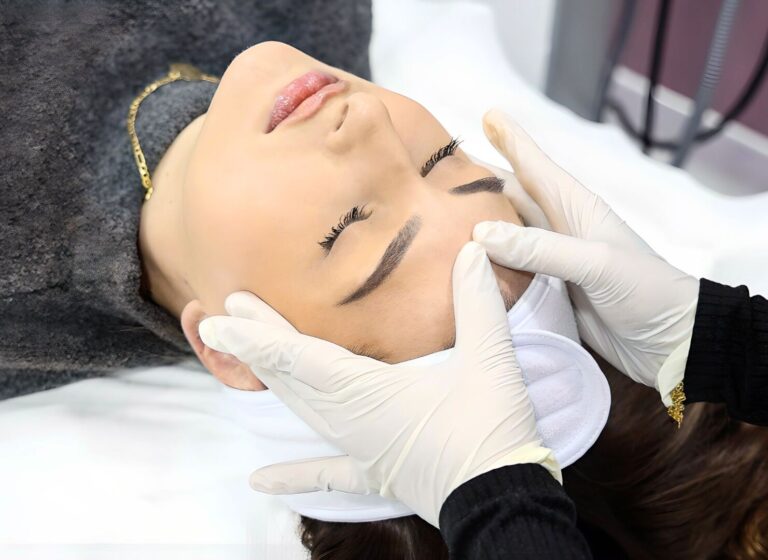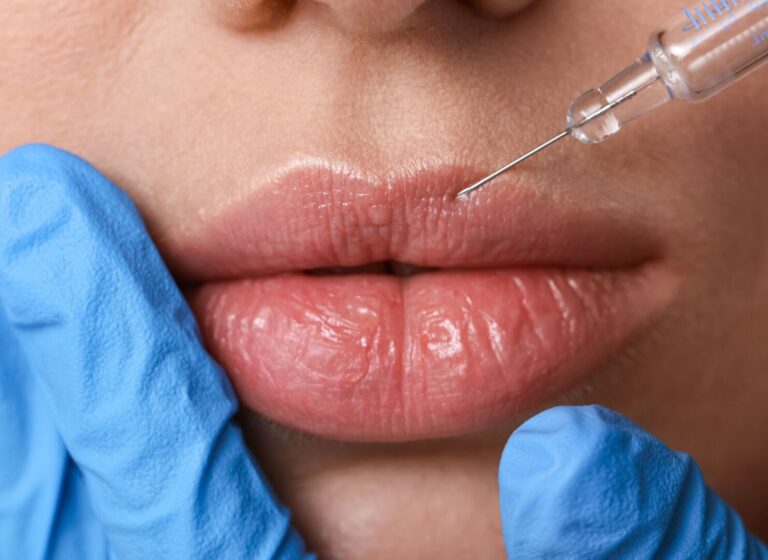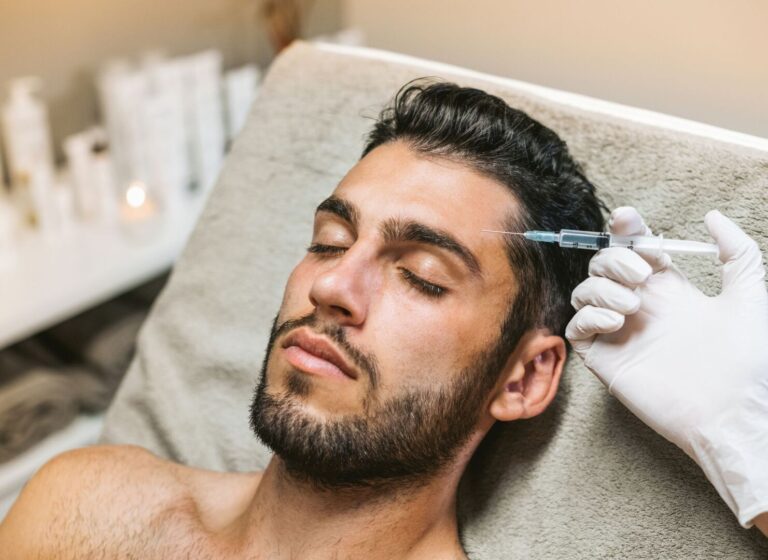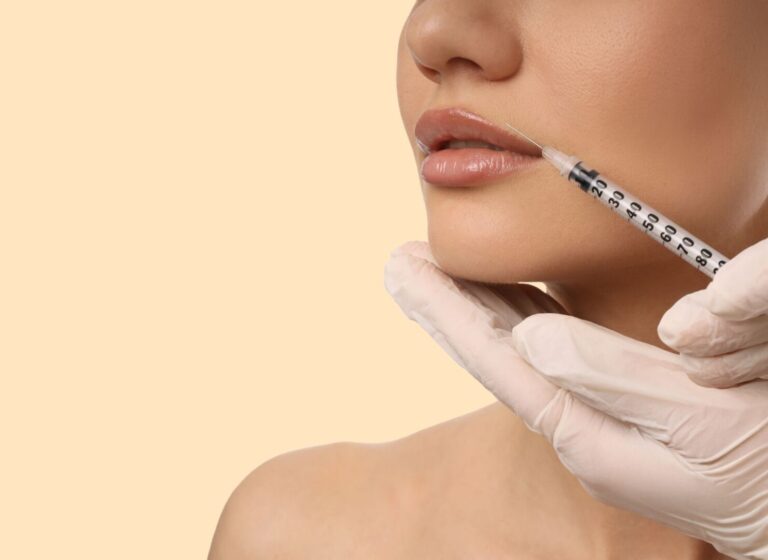
In recent years, facial PRP has become one of the most requested aesthetic treatments among people who want to improve skin quality, radiance, and overall skin freshness naturally. One of the most common questions concerns how the treatment actually works: What is PRP treatment for face is in fact a highly searched topic among both men and women interested in non-surgical regenerative treatments.
At Alnoor Medical Center in Ras Al Khaimah, PRP treatments are customized according to the patient’s skin characteristics and aesthetic goals. PRP uses components derived from the patient’s own blood, which is why it is often associated with protocols focused on skin regeneration and improvement of overall skin quality. Understanding how facial PRP works helps patients develop realistic expectations and choose the most suitable treatment journey for their needs.
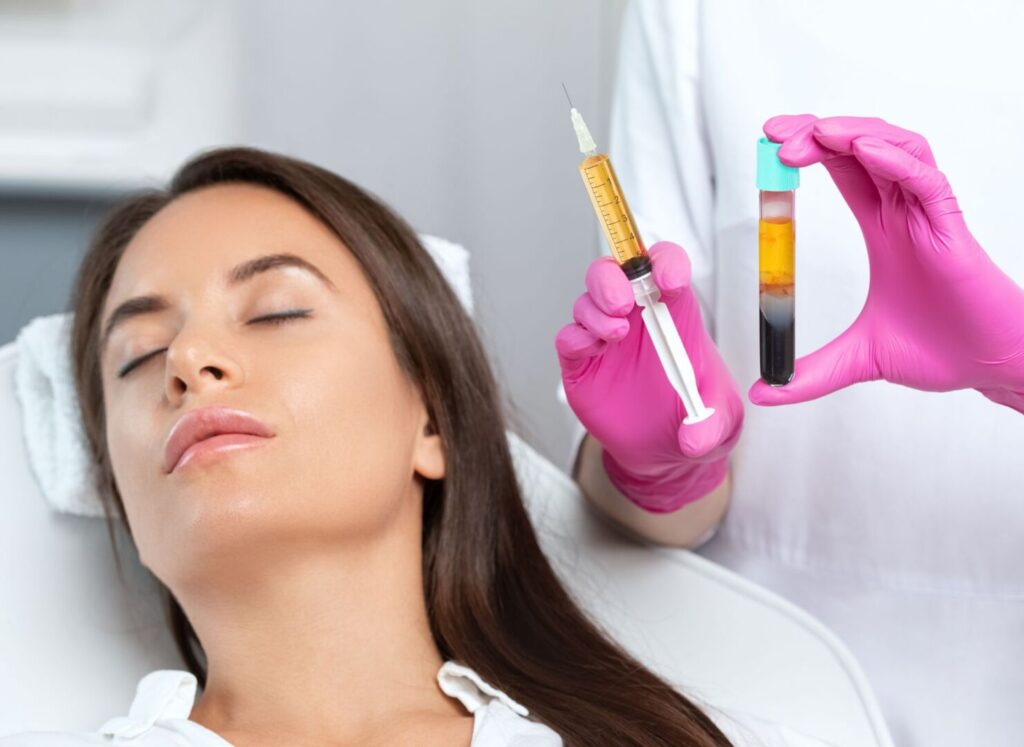
What is PRP treatment for face and how does it work?
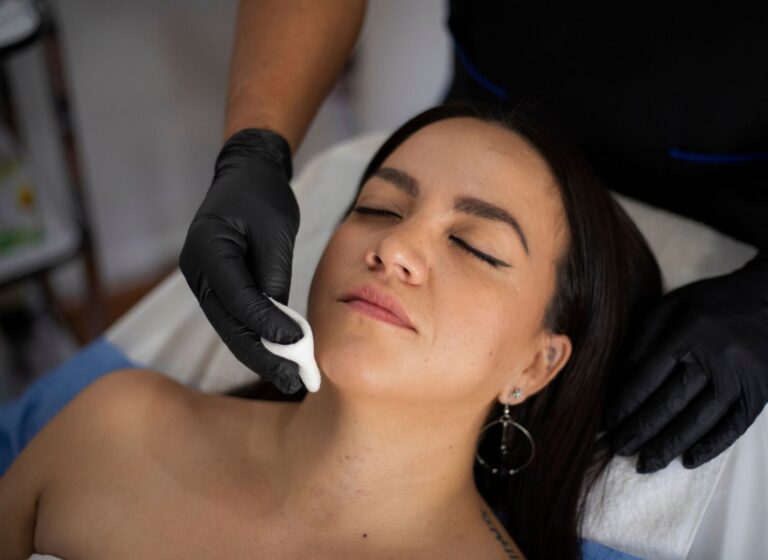
PRP stands for Platelet Rich Plasma. The treatment involves using a component extracted from the patient’s own blood, which is processed through specific techniques and then applied to selected facial areas.
Facial PRP is frequently chosen to:
- improve skin radiance
- support skin renewal
The goal of the treatment is not to alter facial features, but rather to encourage fresher and smoother-looking skin. PRP is commonly used to support overall skin quality, especially when the skin appears dull, stressed, or less firm.
Many patients associate PRP exclusively with aesthetic medicine, but the treatment is also used in other medical fields. In aesthetics, however, it is especially appreciated for its natural and personalized approach.
Every skin type reacts differently, which is why both results and the number of sessions may vary from person to person.
What benefits can PRP offer for the face?
PRP is often chosen by patients who want to improve the overall appearance of the skin without undergoing invasive procedures. The treatment may be included within protocols focused on skin regeneration and long-term skin quality improvement.
Many patients seek:
- brighter skin
- smoother skin texture
Others want to address signs of fatigue, dull skin, or loss of facial freshness. PRP mainly focuses on improving skin quality rather than creating artificial volume or dramatic changes.
In some cases, the treatment may also be combined with technologies such as microneedling or advanced facial procedures, always according to the individual needs of the skin. Treatment personalization is one of the most important aspects of the protocol.
Many people expect immediate and highly visible changes, but PRP generally works progressively. Improvements tend to develop gradually over time while supporting the skin’s natural processes.
How does the skin look after a PRP treatment?
After treatment, it is normal to notice temporary effects related to the procedure. The skin may appear slightly red or more sensitive during the following hours, especially in the treated areas.
Among the most common temporary effects are:
- mild redness
- sensitive skin sensation
These effects generally decrease naturally within a short period of time. Recovery may vary depending on individual sensitivity and the type of protocol used.
After PRP, the skin goes through a natural recovery phase, which is why it is important to carefully follow the post-treatment recommendations provided after the session. Direct sun exposure, intense workouts, and aggressive skincare products are often discouraged during the first few hours.
Many patients also ask when it is possible to return to their normal skincare routine or apply makeup again. In this case as well, the answer depends on skin sensitivity and the specific treatment performed.
How many PRP sessions are needed for the face?
One of the most common questions concerns the number of sessions required. However, there is no identical answer for everyone because every skin type has unique characteristics and goals.
In many cases, treatment is organized through sessions scheduled over time. Skin quality generally improves gradually, which is why consistency throughout the treatment journey may influence the final results.
The number of sessions may depend on:
- skin age
- initial skin condition
Lifestyle habits, sun exposure, and daily skincare routines also influence how the skin responds to treatment. For this reason, it is important to create a personalized and realistic treatment plan.
Many people expect dramatic changes after only one session, but regenerative treatments often work through gradual and natural improvements.
PRP, Microneedling, and Mesotherapy: What are the differences?
PRP, microneedling, and mesotherapy are often mentioned together, but they are different treatments with specific characteristics. Although all of them may be used to improve skin quality and appearance, they work in different ways.
PRP uses components derived from the patient’s own blood, while mesotherapy is based on microinjections of selected substances. Microneedling, on the other hand, stimulates the skin through micro-needles that promote skin renewal.
Many patients ask which treatment is better for:
- dull skin
- acne scars
The answer always depends on the patient’s individual condition and aesthetic goals. There is no universal treatment suitable for everyone, which is why an initial professional skin assessment is essential.
In some cases, treatments may also be combined within personalized protocols.
Is facial PRP suitable for both men and women?
Today, facial PRP is chosen by both women and men who want to improve skin quality, radiance, and overall skin freshness while maintaining natural-looking results.
Many men request treatments for:
- tired-looking skin
- uneven skin texture
Women often seek improved radiance, skin quality, and support for skin firmness. The modern approach to aesthetic treatments focuses on natural-looking improvements while avoiding excessive or artificial changes.
Every skin type has unique needs and requires a personalized protocol. The number of sessions and the possible combination with other treatments also depend on the patient’s individual characteristics.
Relying on experienced professionals is essential for choosing a treatment journey that is safe and suitable for personal aesthetic goals.
What is PRP treatment for face? Final thoughts on facial PRP
The question What is PRP treatment for face is becoming increasingly common because more people are searching for treatments focused on naturally improving skin quality.
Facial PRP may represent a useful support for skin radiance, freshness, and overall skin wellness, especially when included within a personalized treatment plan. Every skin reacts differently, which is why both results and the number of sessions vary from patient to patient. At Alnoor Medical Center, a personalized approach, modern technologies, and attention to natural-looking results allow patients to experience PRP treatments in a safer and more informed way.
📞 +971 72288451
💬 +971 72288451
✉️ info@alnoordental.com
📍 8th Floor, Al Naeem Tower 3, Etisalat Street, Ras Al Khaimah, United Arab Emirates